MEMBER OF  ROESSgroup

FloraFloat®

Natural floating wetlands

A plastic-free solution for biodiversity, water quality and water management

Floating islands for vibrant waters and natural water treatment

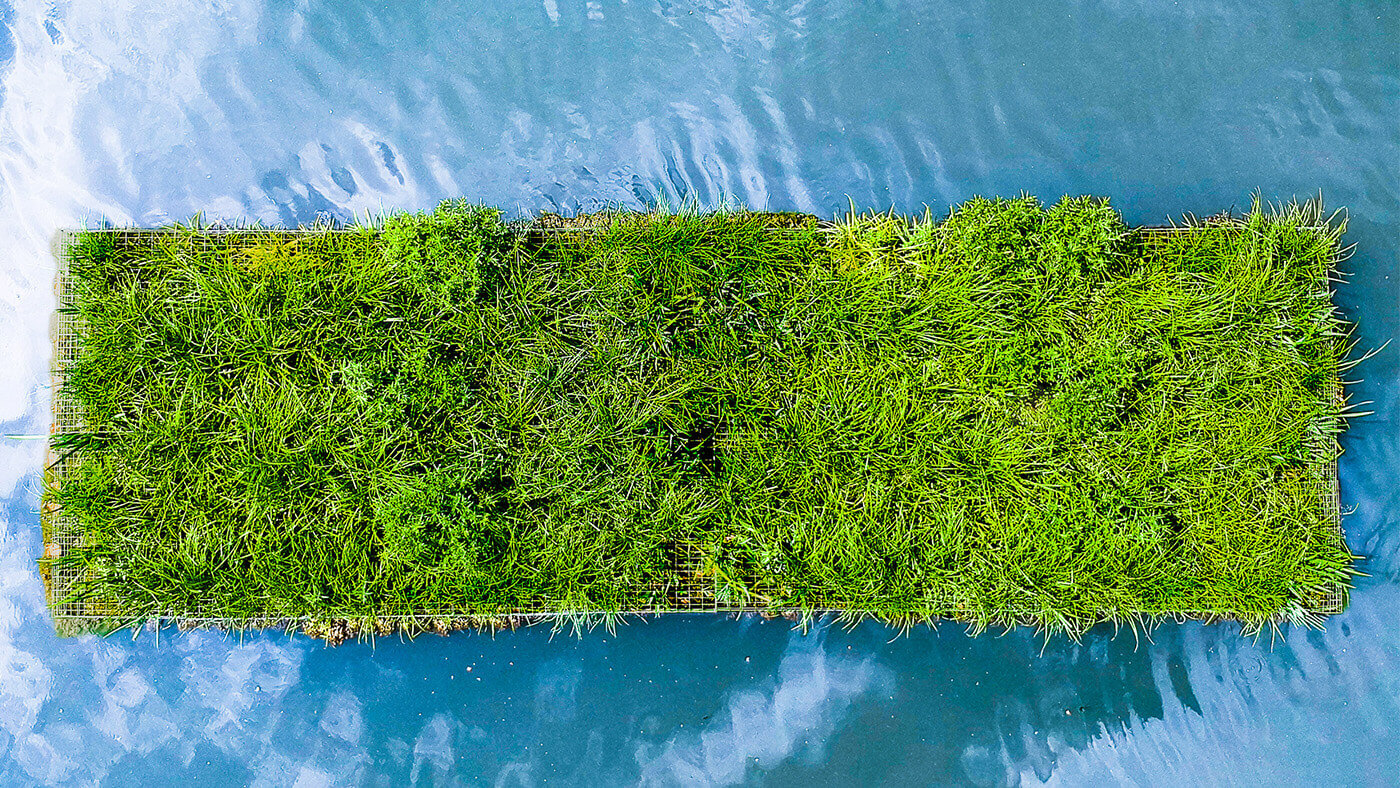
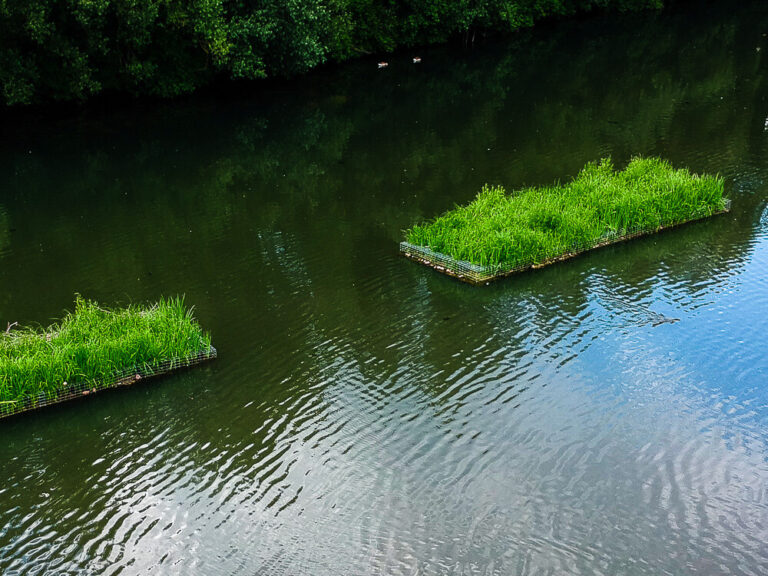
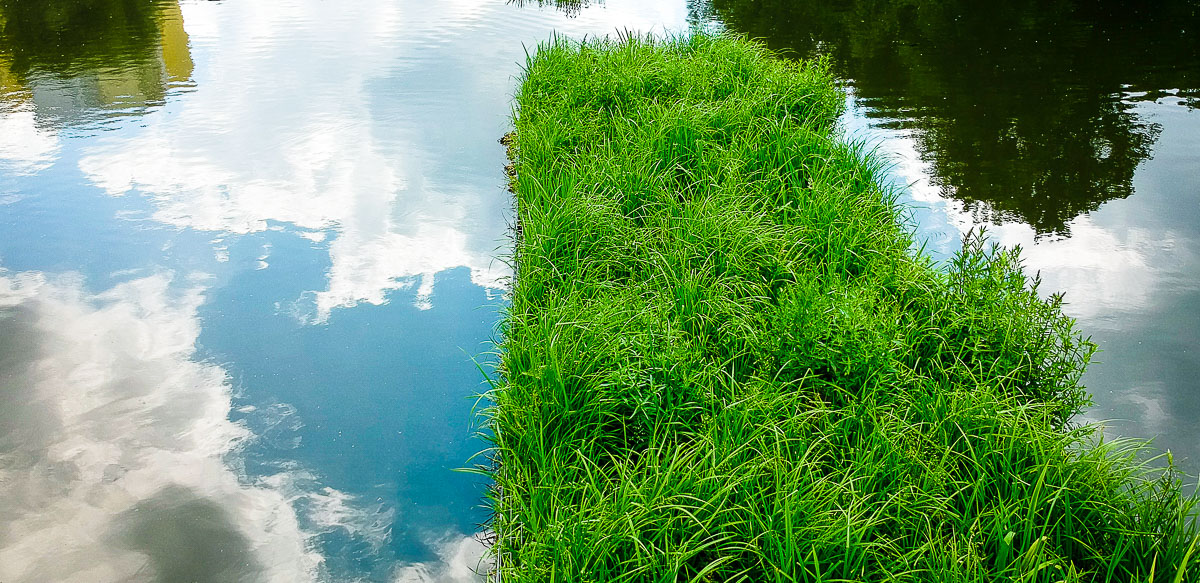
FloraFloat® is a plastic-free system for floating islands that creates natural habitats, enhances biodiversity, and can help improve water quality. The modular islands are made of durable, natural materials and adapt flexibly to different water bodies, water levels, and project requirements.

Whether as an ecological enhancement, a visible design element, a contribution to biological water purification, or a solution for modern water management: FloraFloat® combines function, nature, and aesthetics on the water. In the following sections, you can learn more about the structure, effects, and applications of the system.

Biodiversity – layer by layer

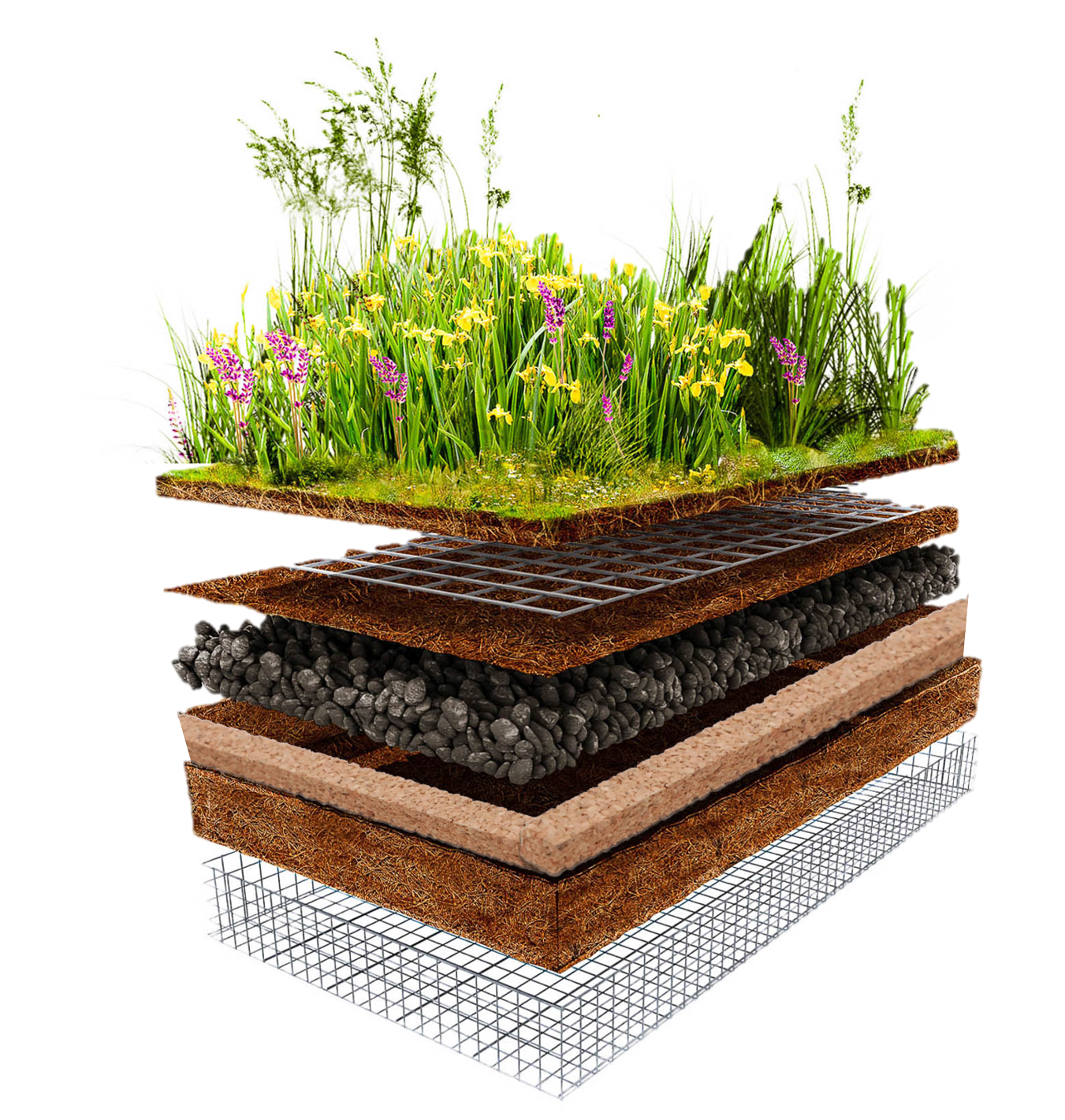
FloraFloat® consists of four natural layers

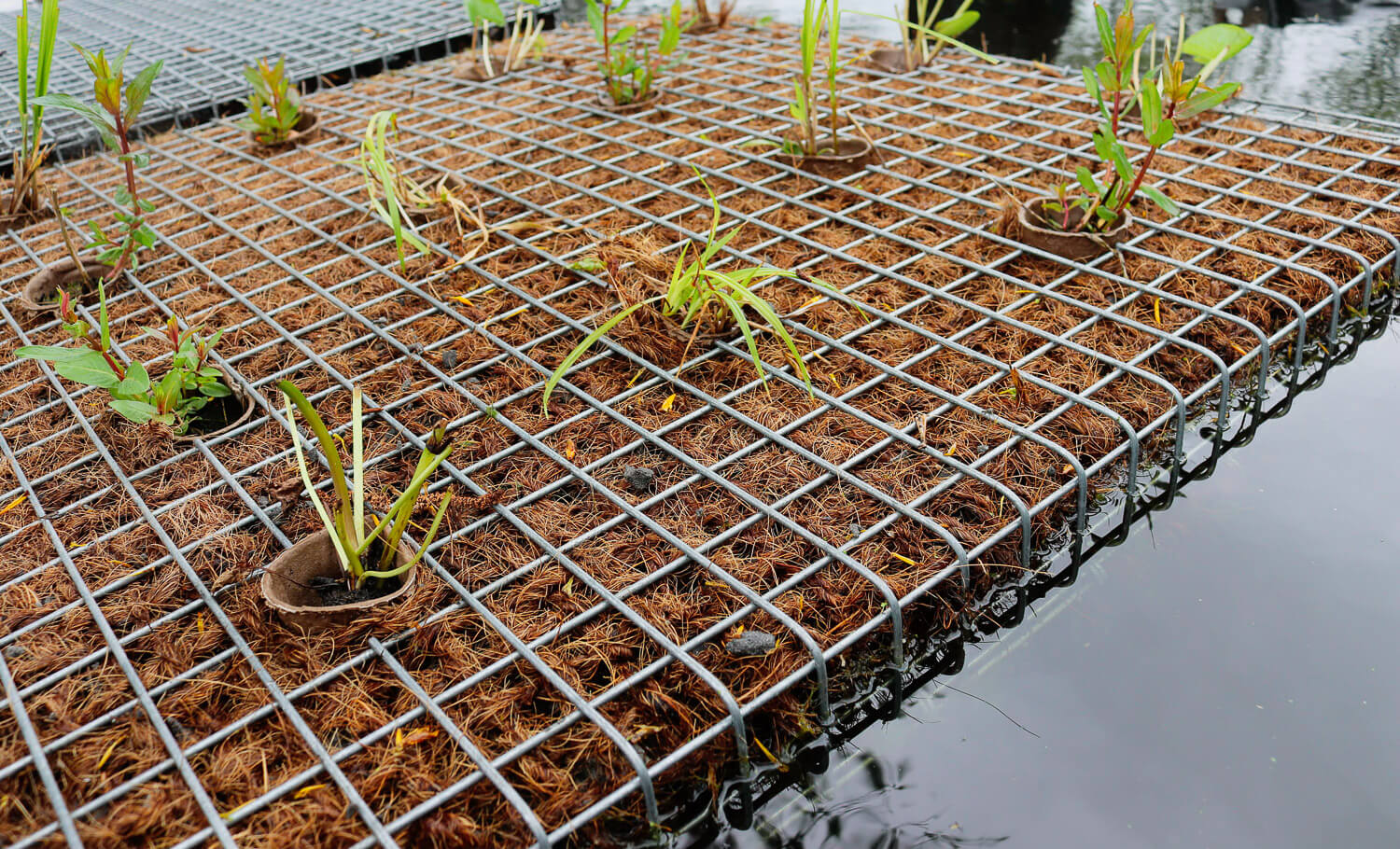
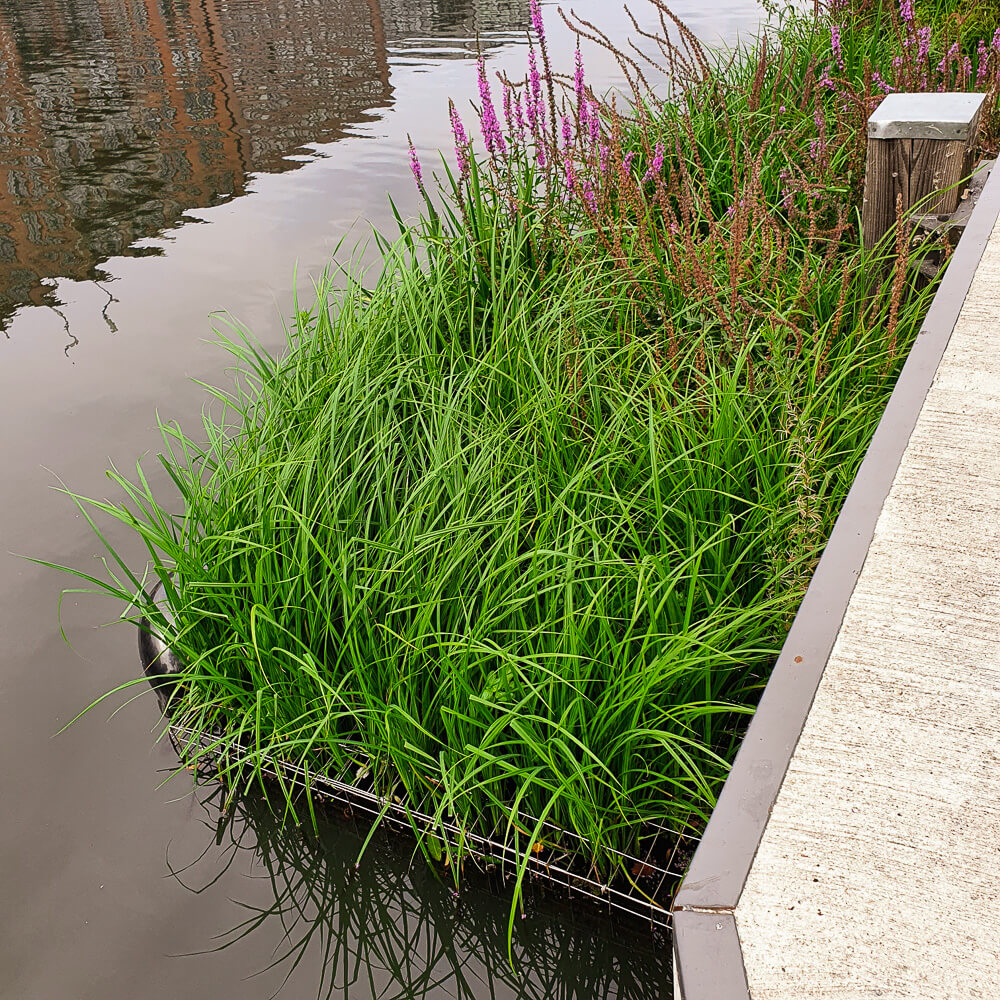
Flourishing coconut mats meet protective metal and lightweight foam glass gravel: FloraFloat® combines strength, durability and sustainability by only using the highest quality materials to create new habitats and improve water quality.

  • Wetland plants
  • Foam glass gravel
  • Organic Liner
  • Metal mesh

Aufbau Insel mit Korkschicht

Variety in all aspects

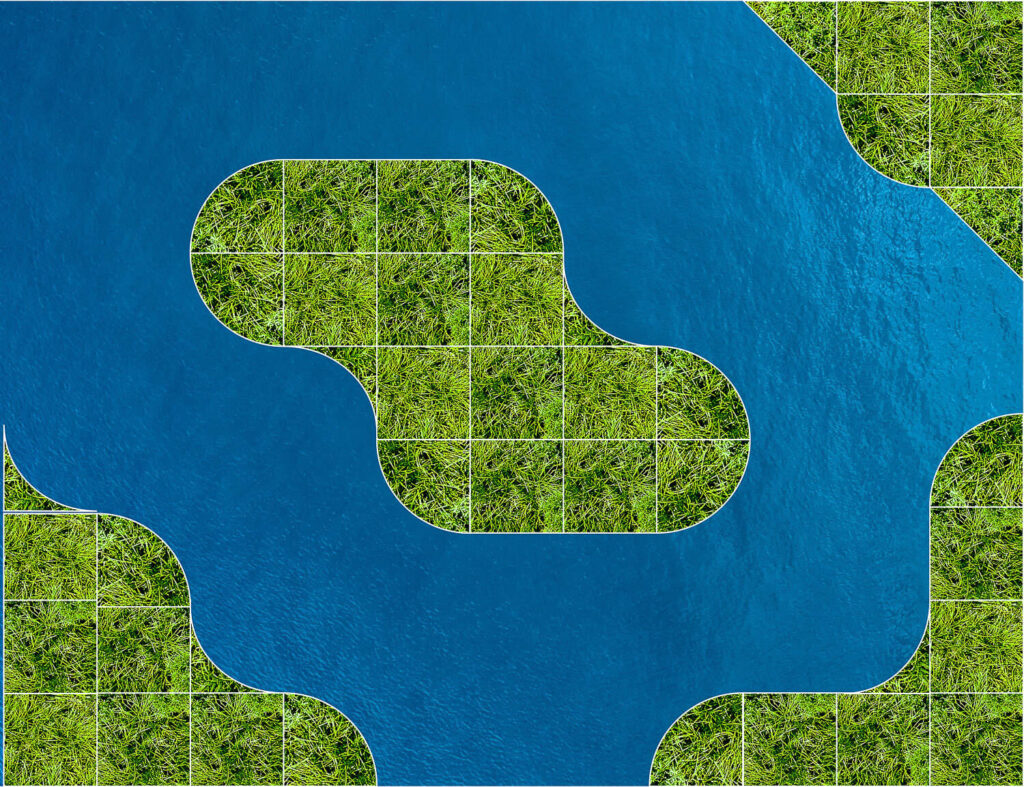
Whether in line or as a virtuous work of art – FloraFloat® modules come in various shapes to enable the most diverse floating wetlands. All module shapes are either available for pre-vegetated mats or single plants with integrated plant holes. We also have specialist solutions for planting trees, walkways or creating submerged habitat.

Native plants are the basis for success

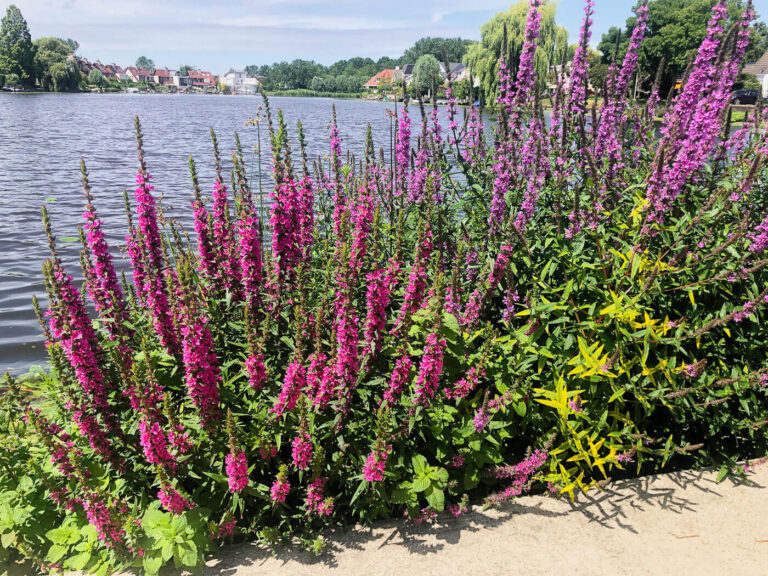
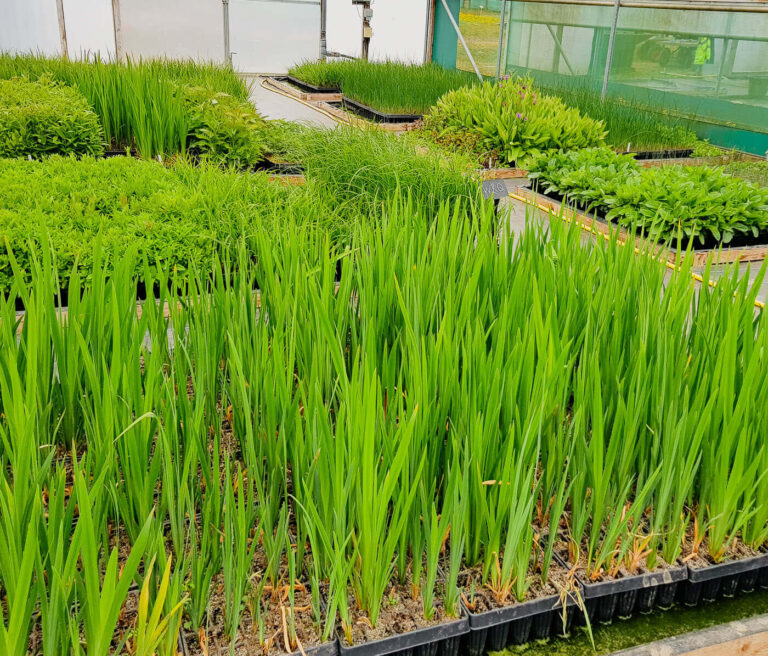
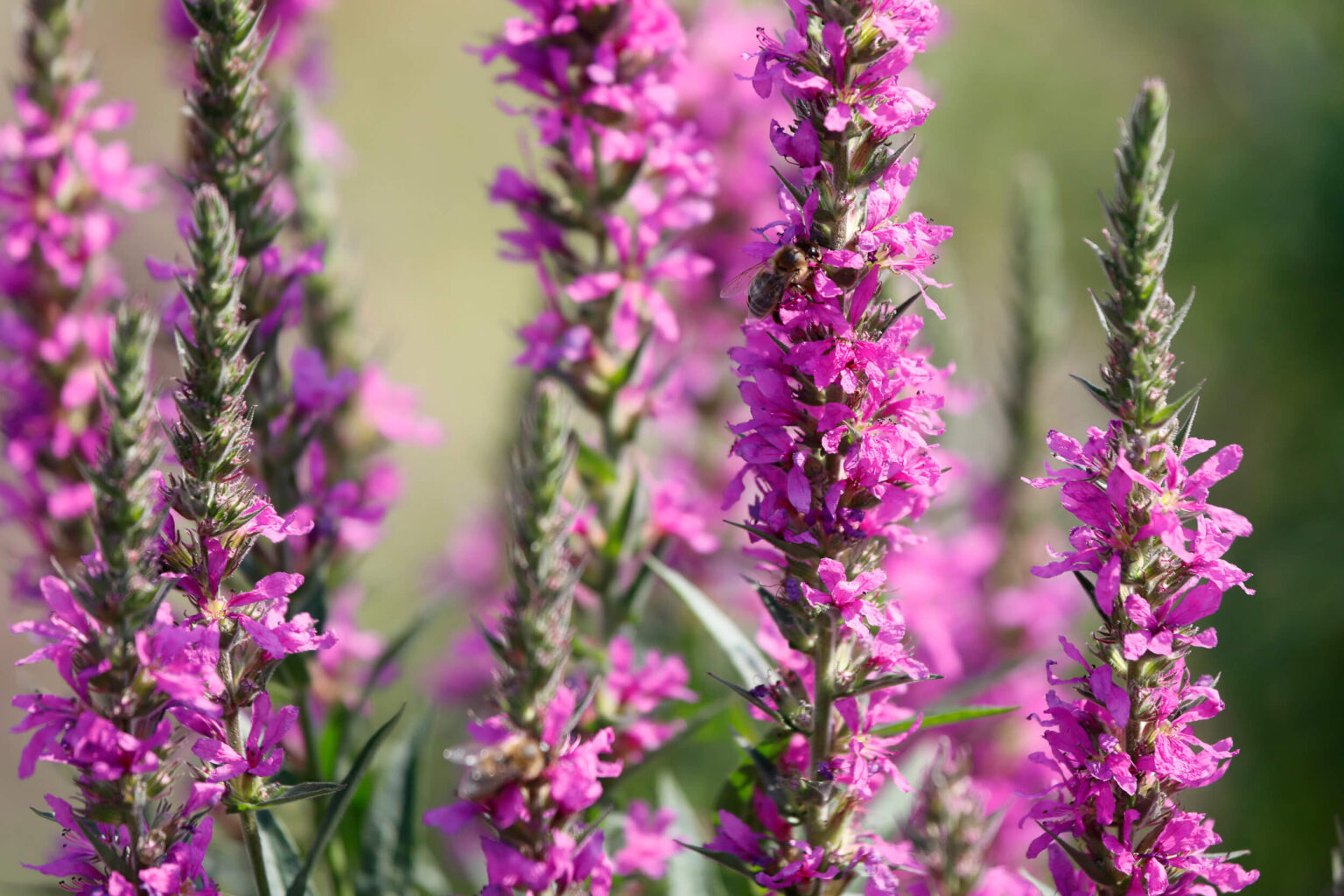
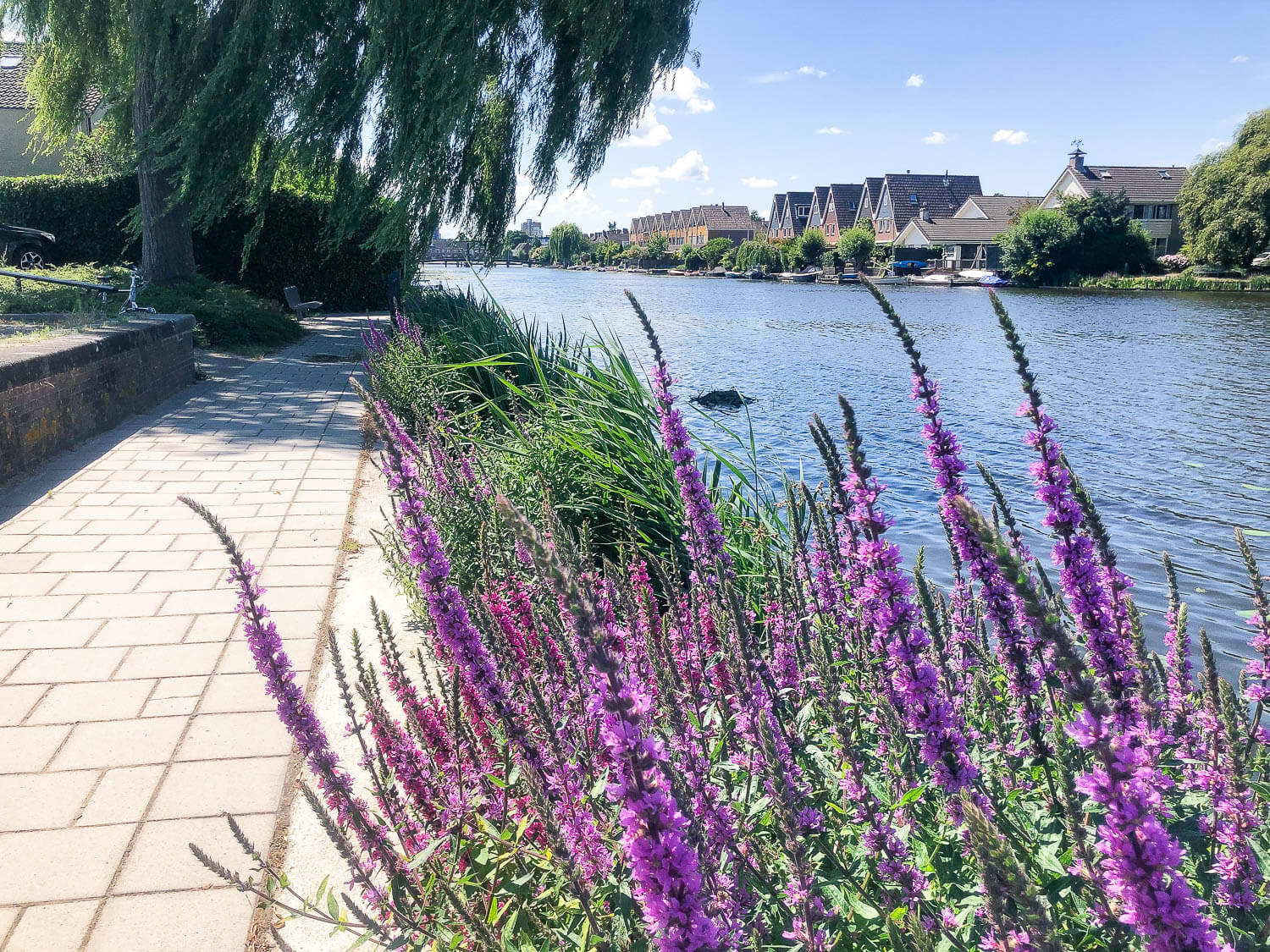
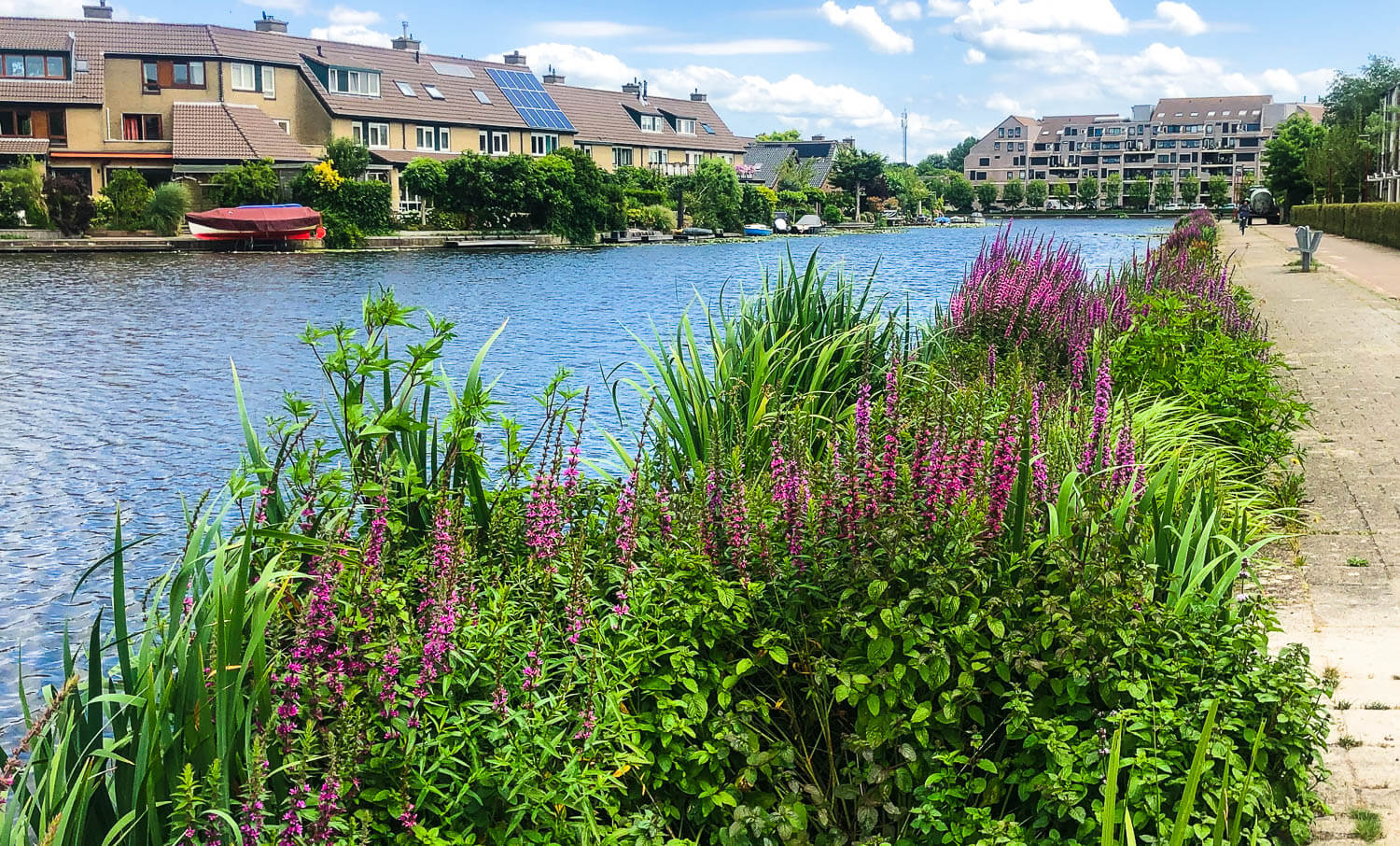
Planting is an important element within your Floating Wetland Project. Whether planting single plants or pre-cultivated coir mats, FloraFloat® provides ideal conditions for the development of healthy native plants. We have more than 30 years experience with Floating Wetlands and the cultivation of wetland plants. From purple loosestrife to sedges and water mint – we have the best plants specific to site conditions and application.

Maximum flexibility with single plants

Single plug plants are the classic way to plant FloraFloat®. They provide maximum flexibility in species choice and there are no limitations on planting schemes. The root balls of the single plants are simply pushed into the gravel until they are in contact with the water.

One year ahead with pre-cultivated mats

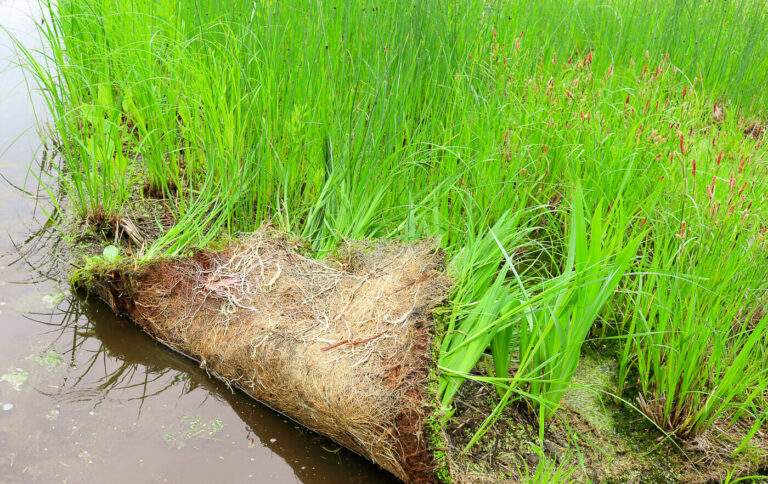
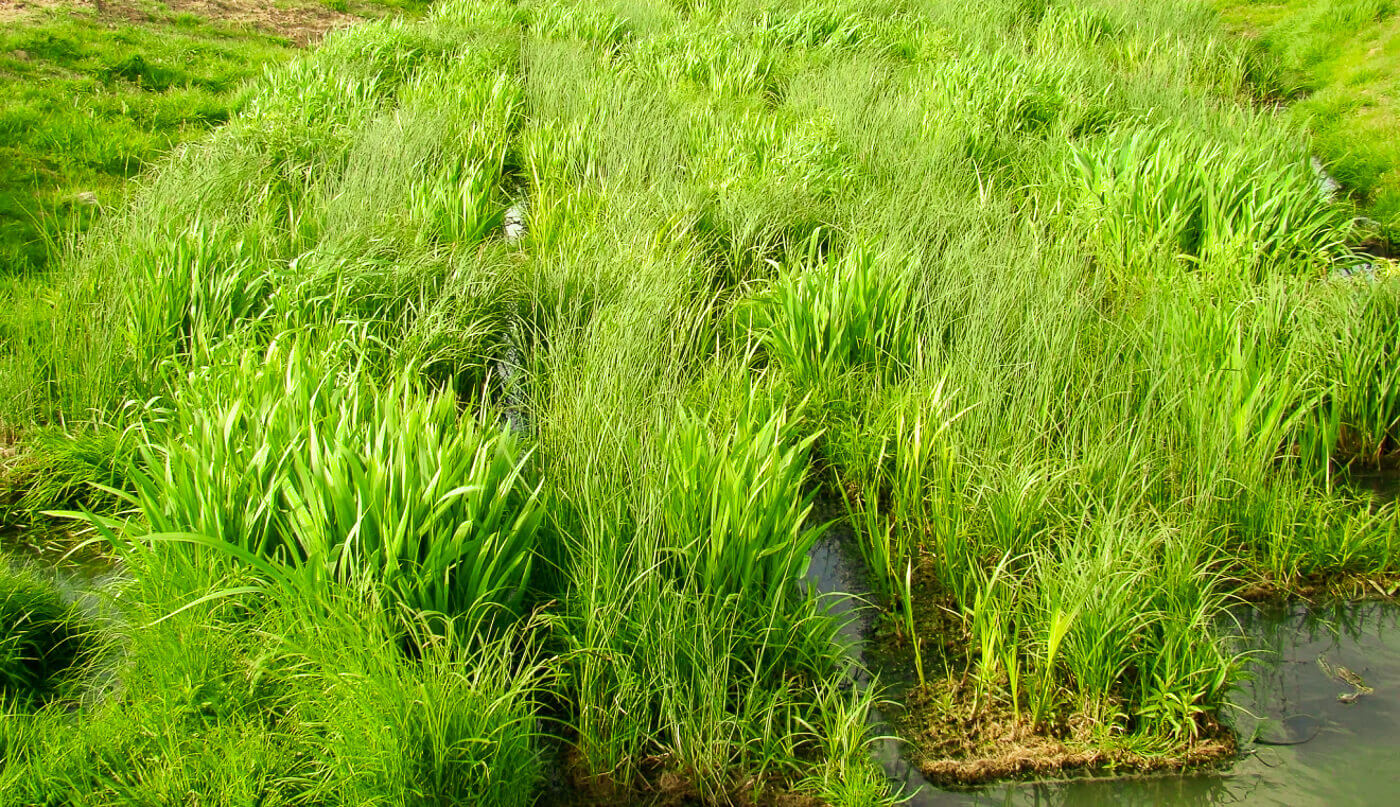
Pre-cultivated coir mats are the ideal solution to immediately establish a stable plant structure on the floating island. They are rolled out and attached to the island modules. The specific plant composition depends on the desired function of the floating wetland.

Creating habitat – above and below water

How FloraFloat® strengthens the vitality of waterways

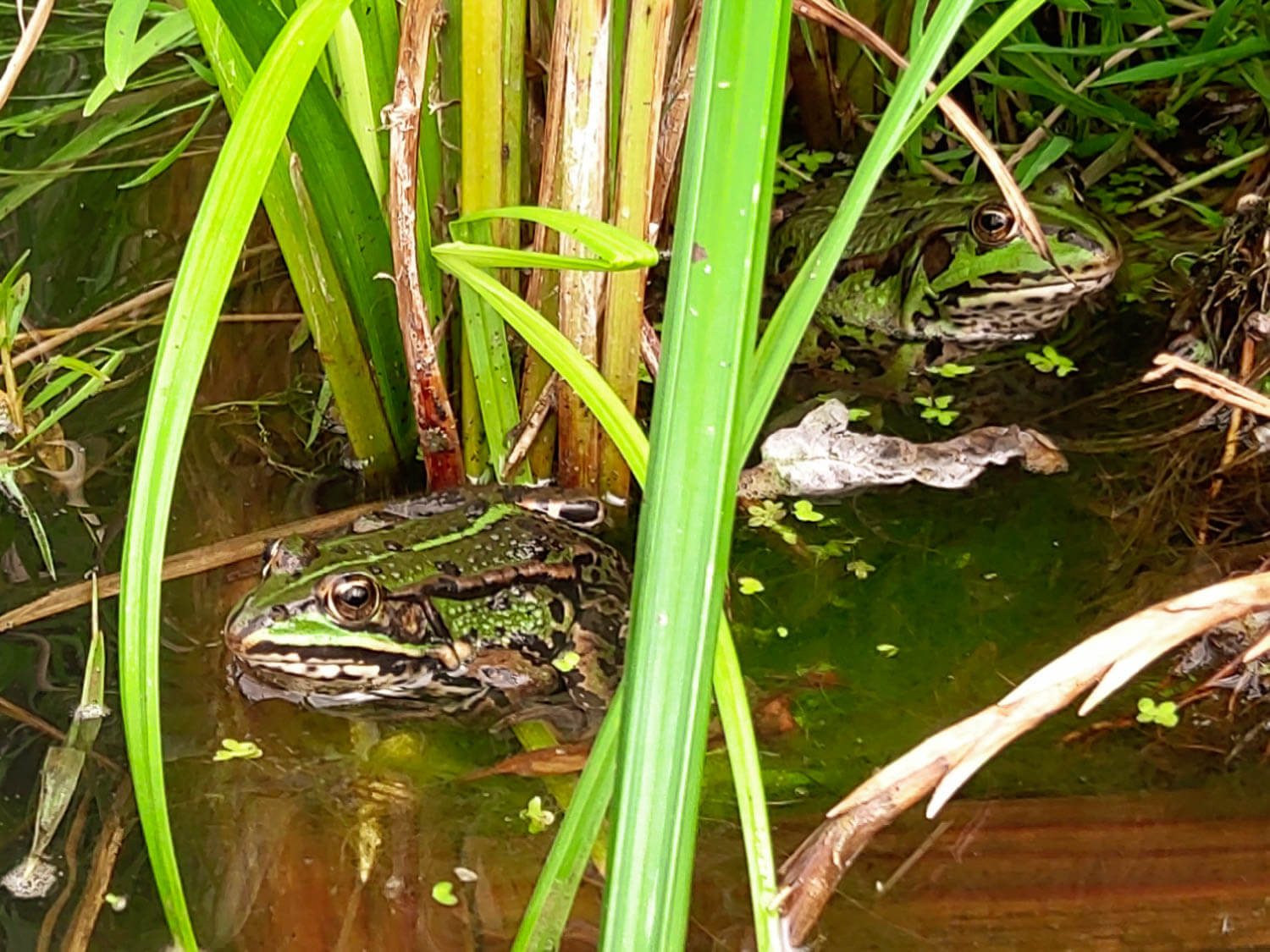
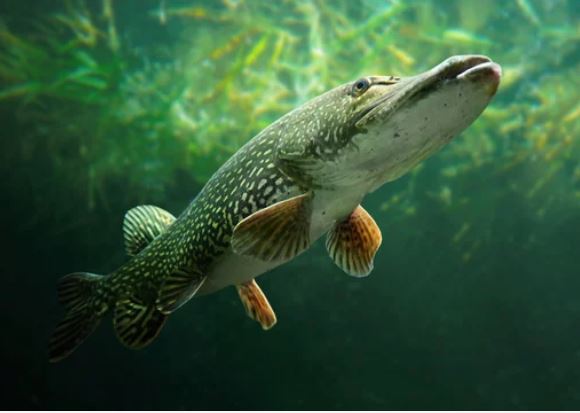
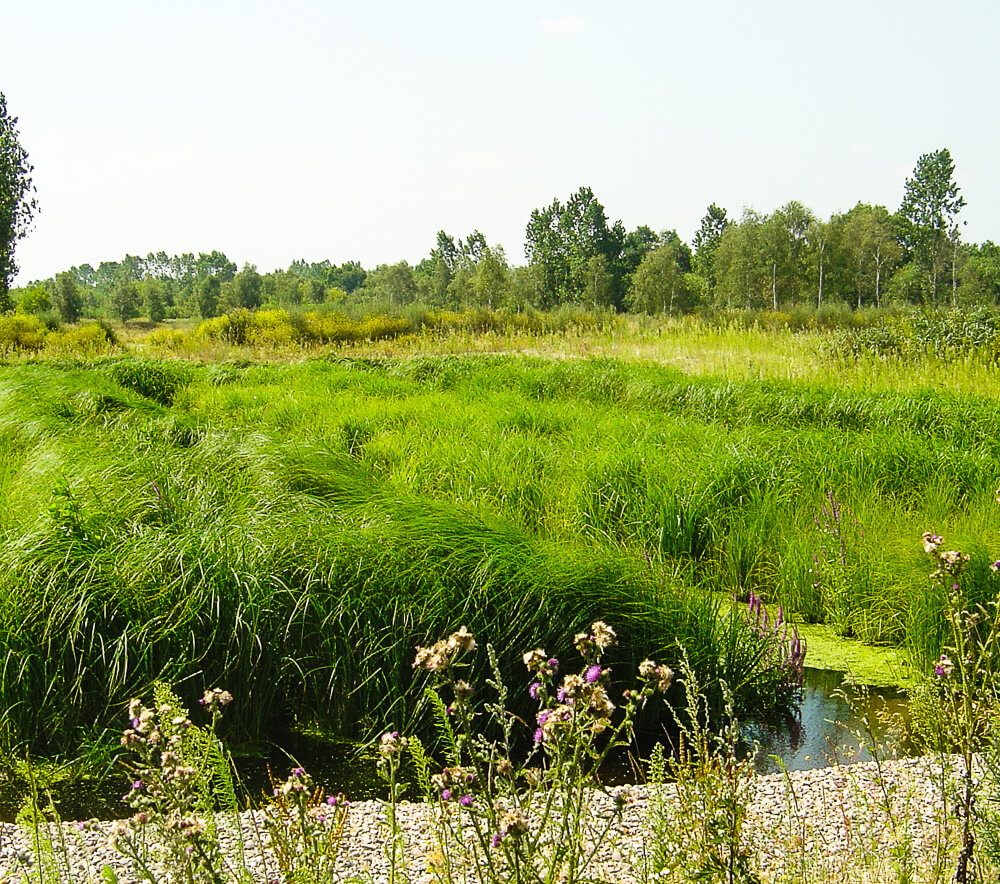
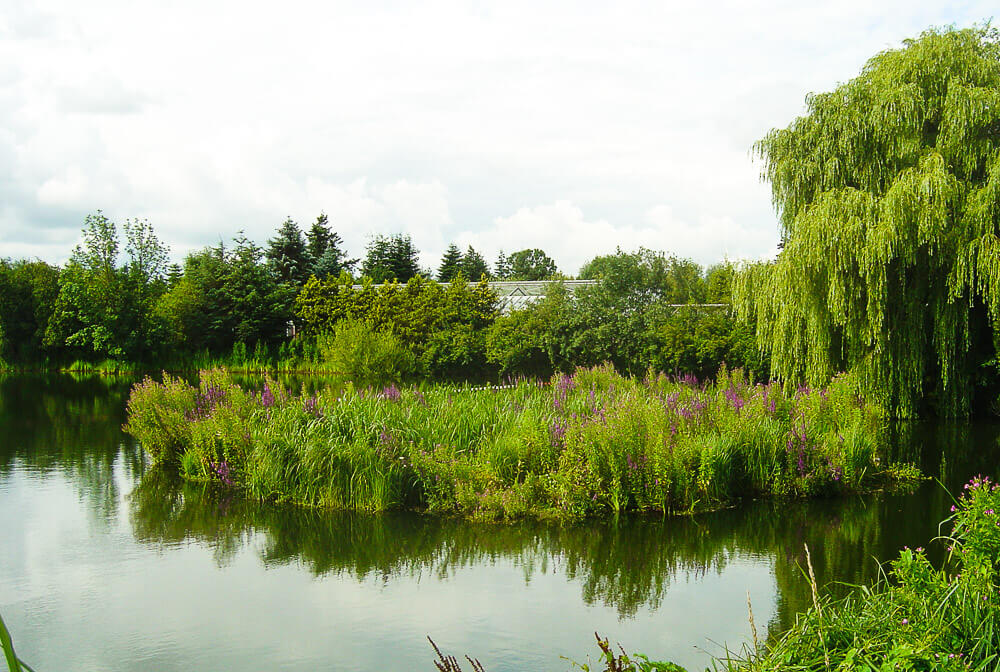
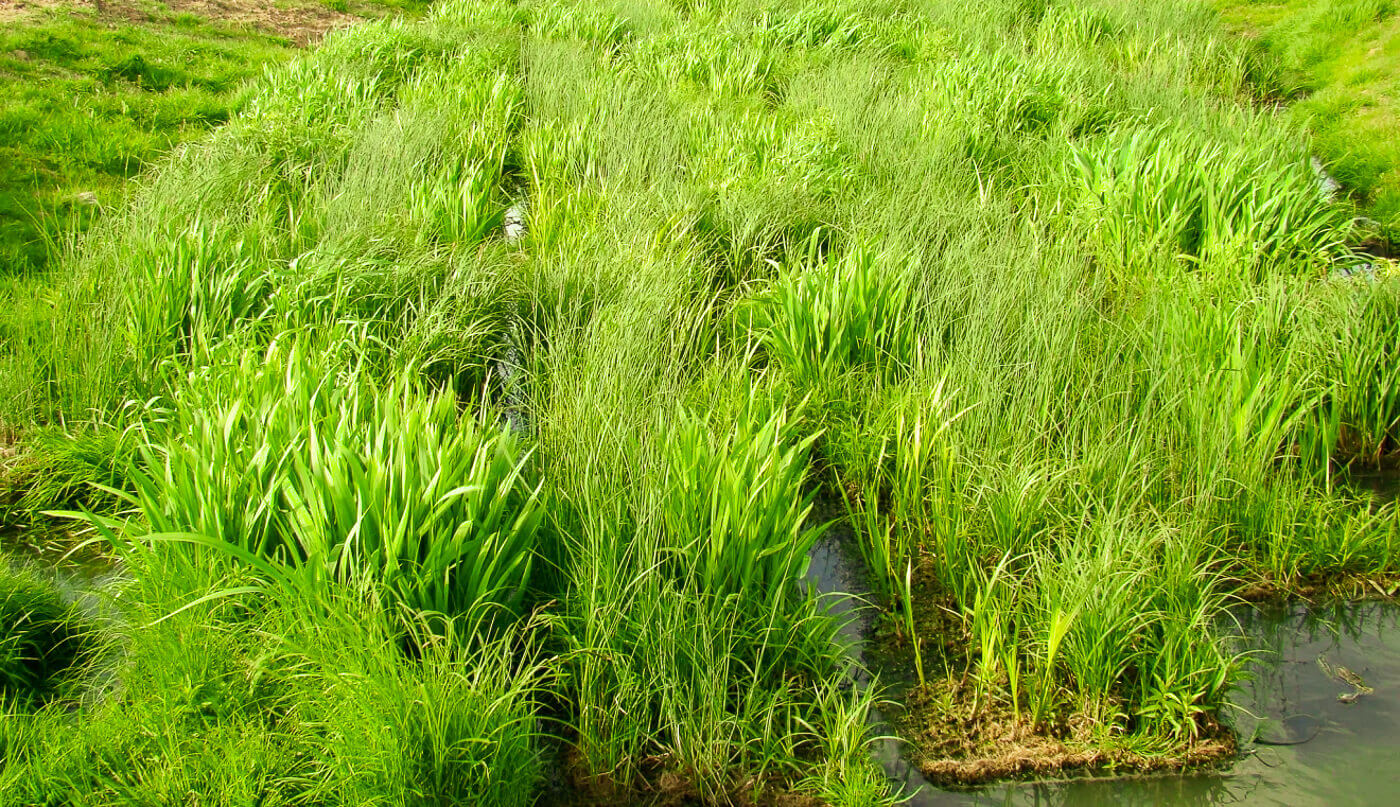
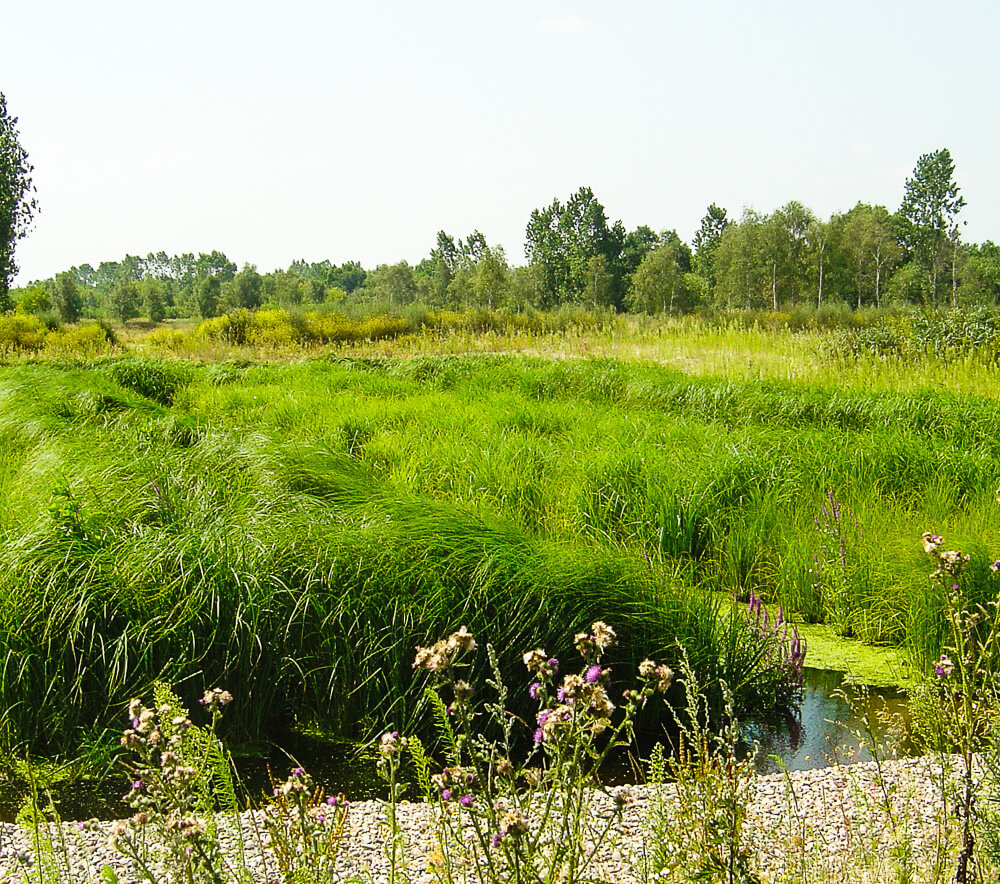
Floating wetlands are highly productive and diversified habitats. They establish a broad mix of native plants and attract a wide range of wildlife. The continuous supply of water and nutrients provides ideal conditions for healthy plant development. FloraFloat® provides space and habitat to establish complex food chains up to predatory fish, birds and other wildlife. It is a natural and simple solution to tackle biodiversity loss and strengthen the vitality of our waters.

Improving food chains – with space for bacteria, microorganisms, and insects

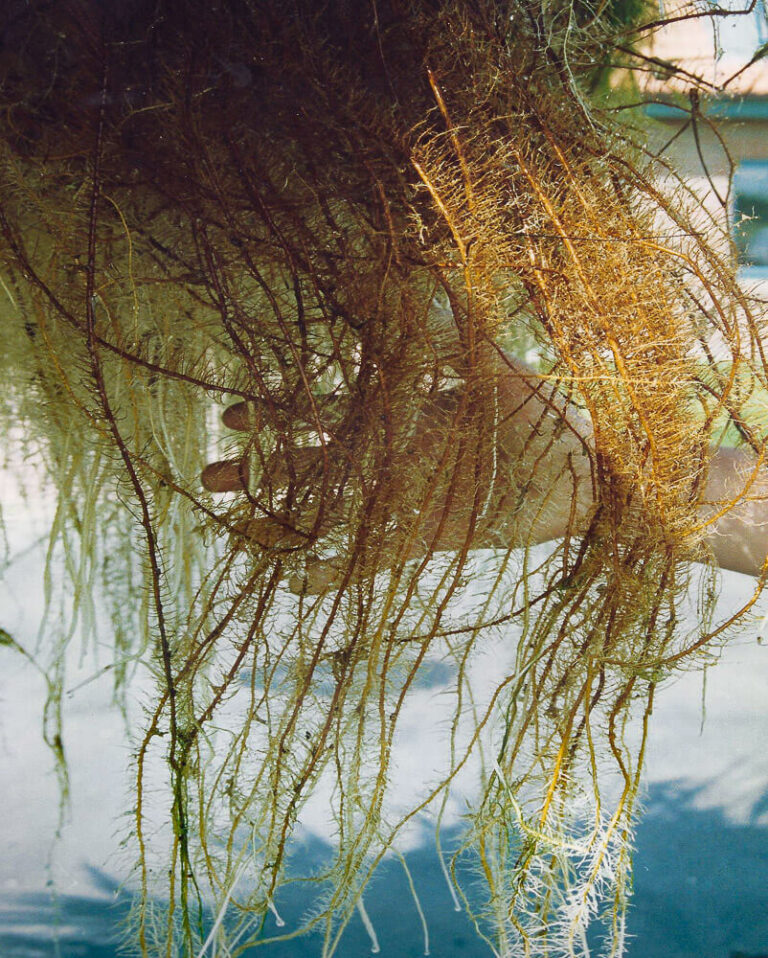
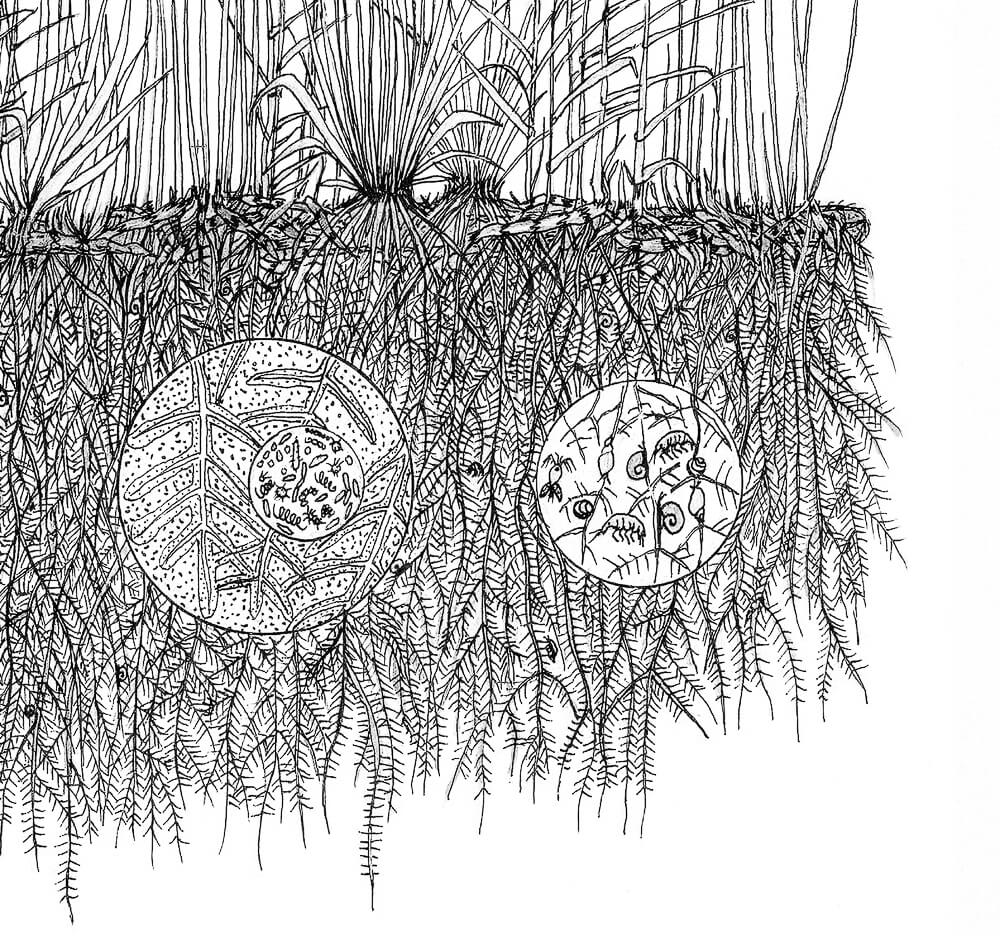
Strong and well established food chains are one of the most important factors for biodiversity and species conservation. The diverse plant communities in floating wetlands provide indispensable food source and habitat for a huge variety of organisms. A broadly diversified root network develops beneath the floating wetland providing a unique habitat for insect larvae, fish and zooplankton among others. From bacterial biofilm to predatory fish, a complex food chain is established that provides a sustainable food base for the ecosystem.

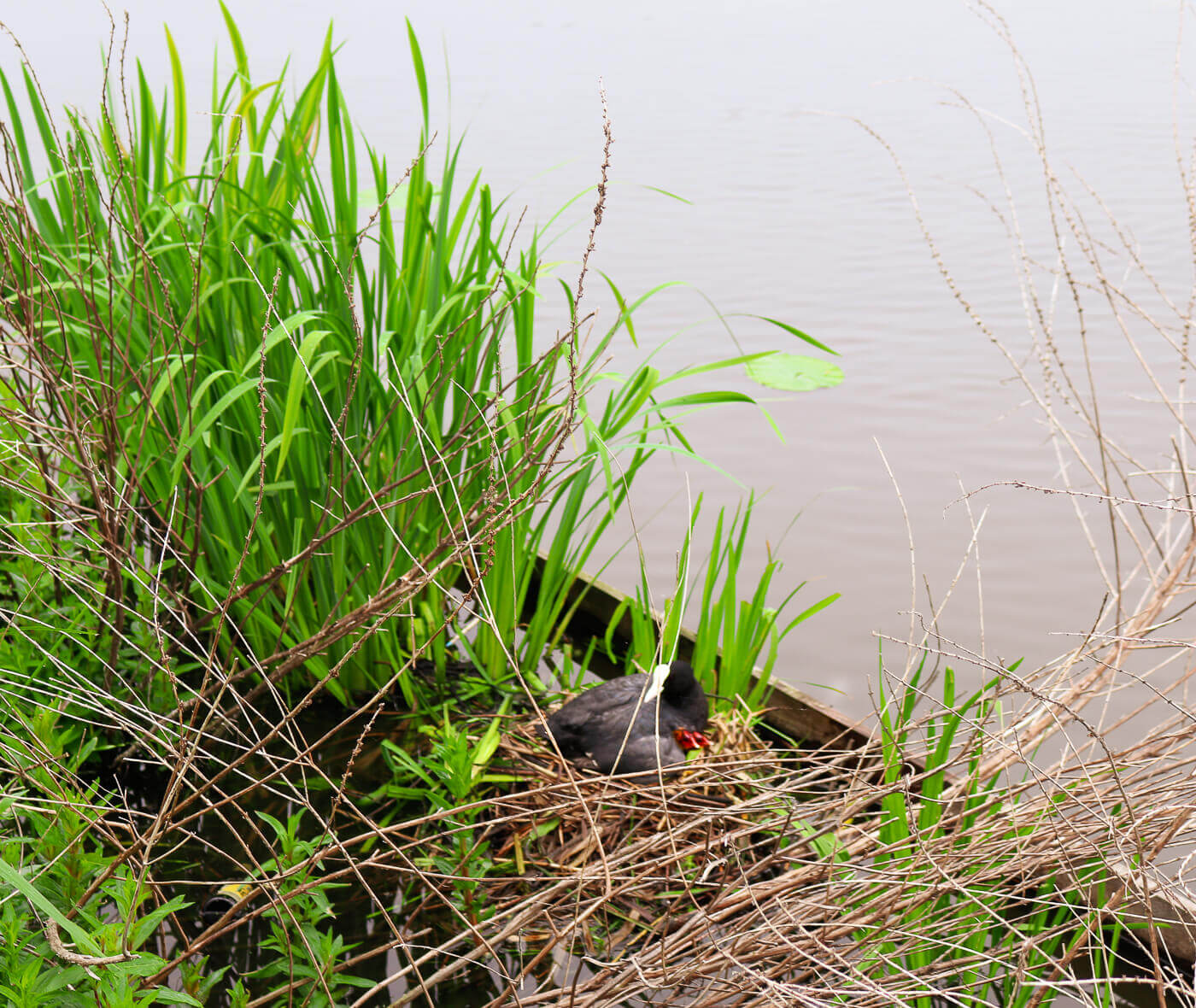
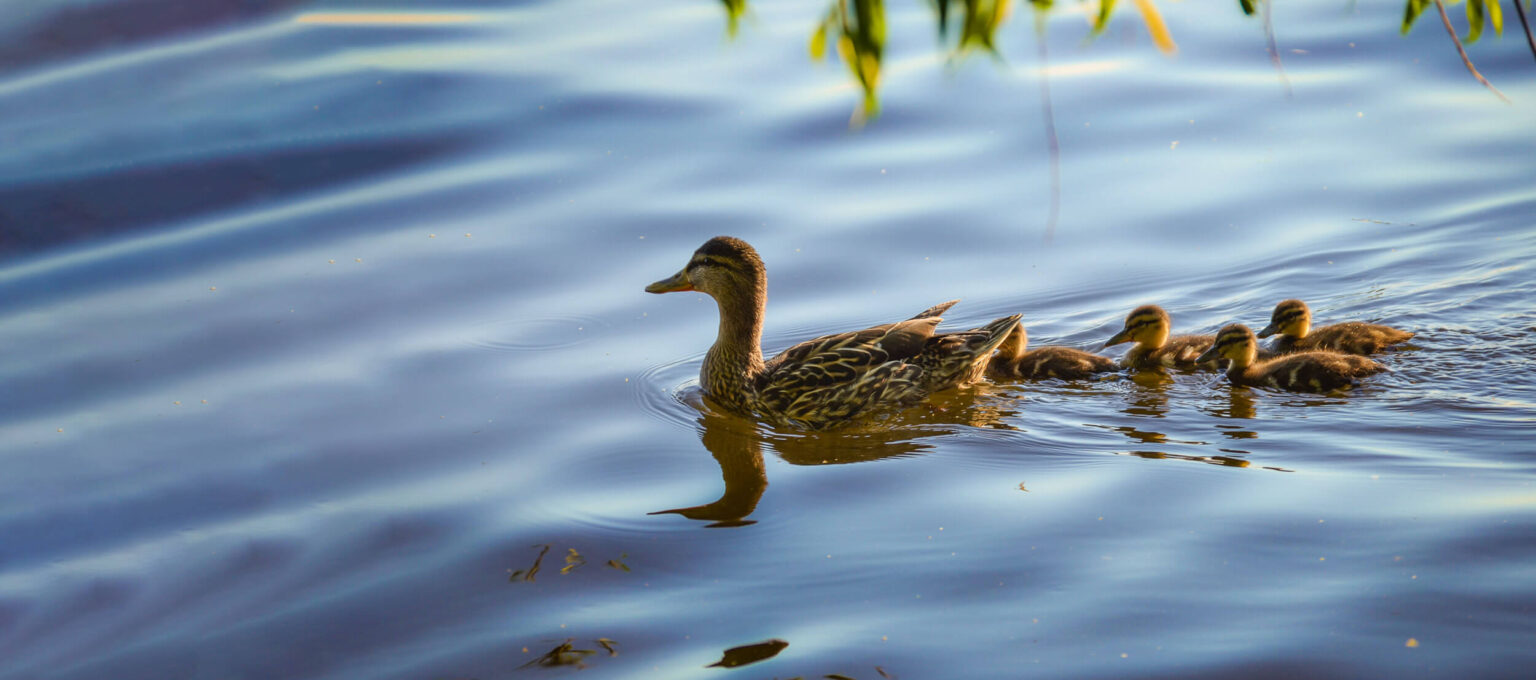
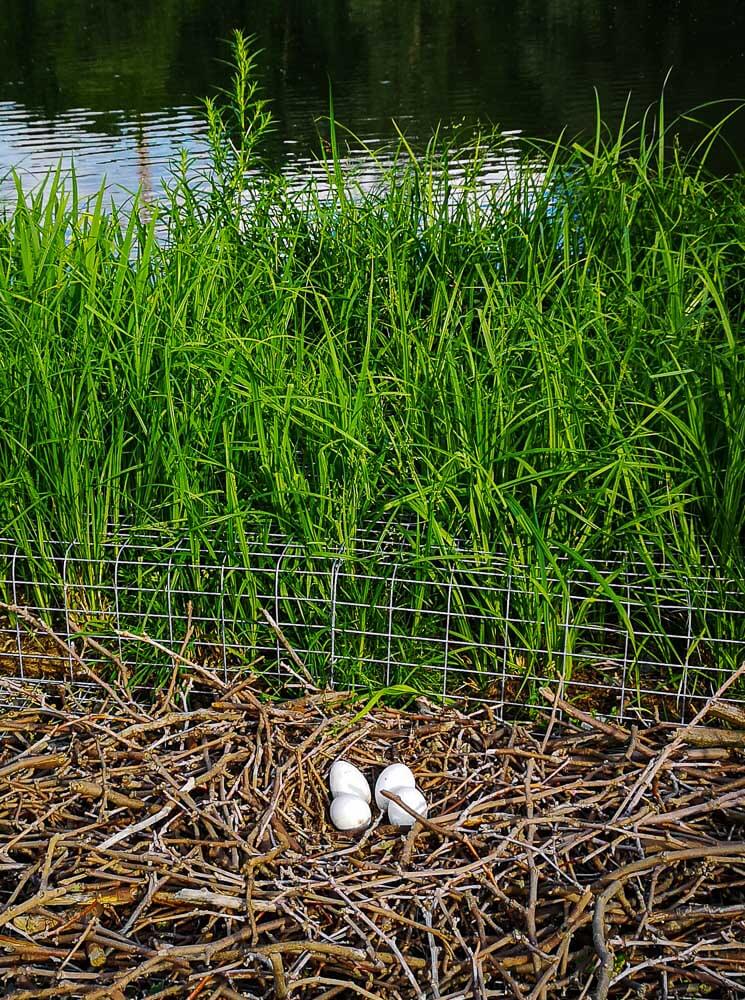
Floating wetlands offer hiding places, food and undisturbed breeding grounds

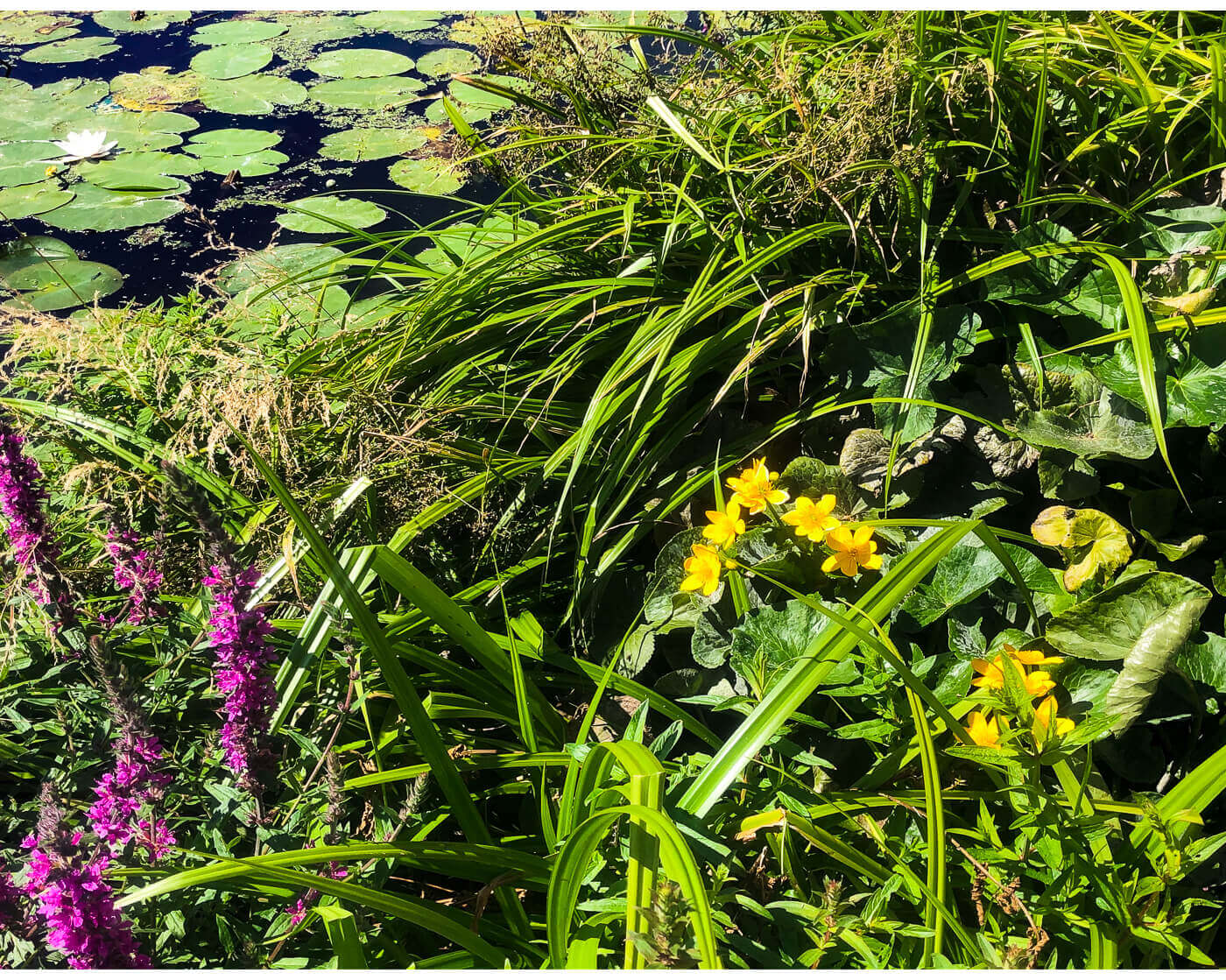
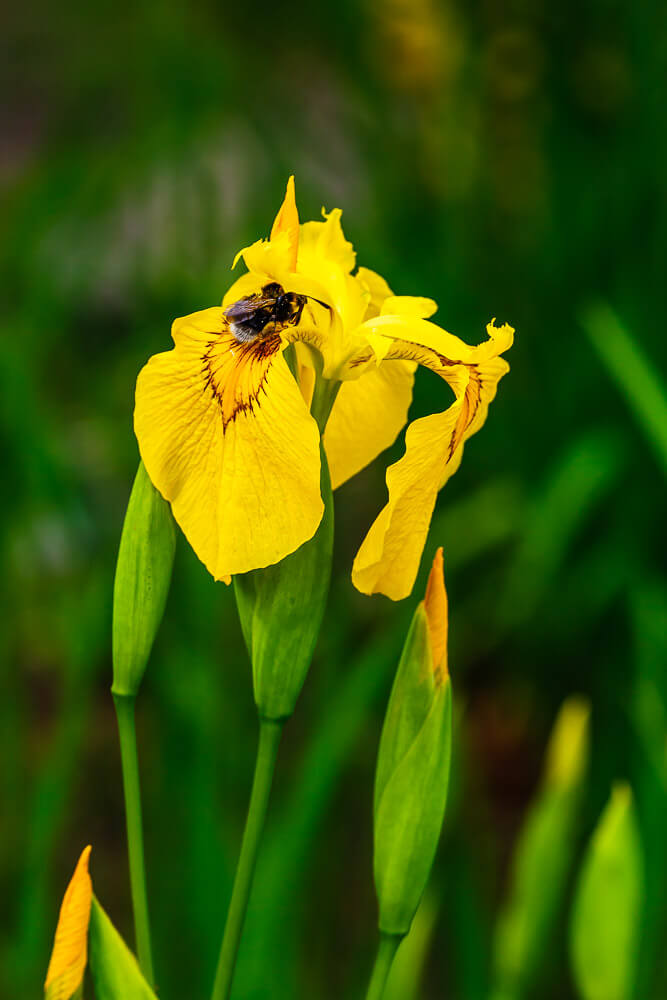
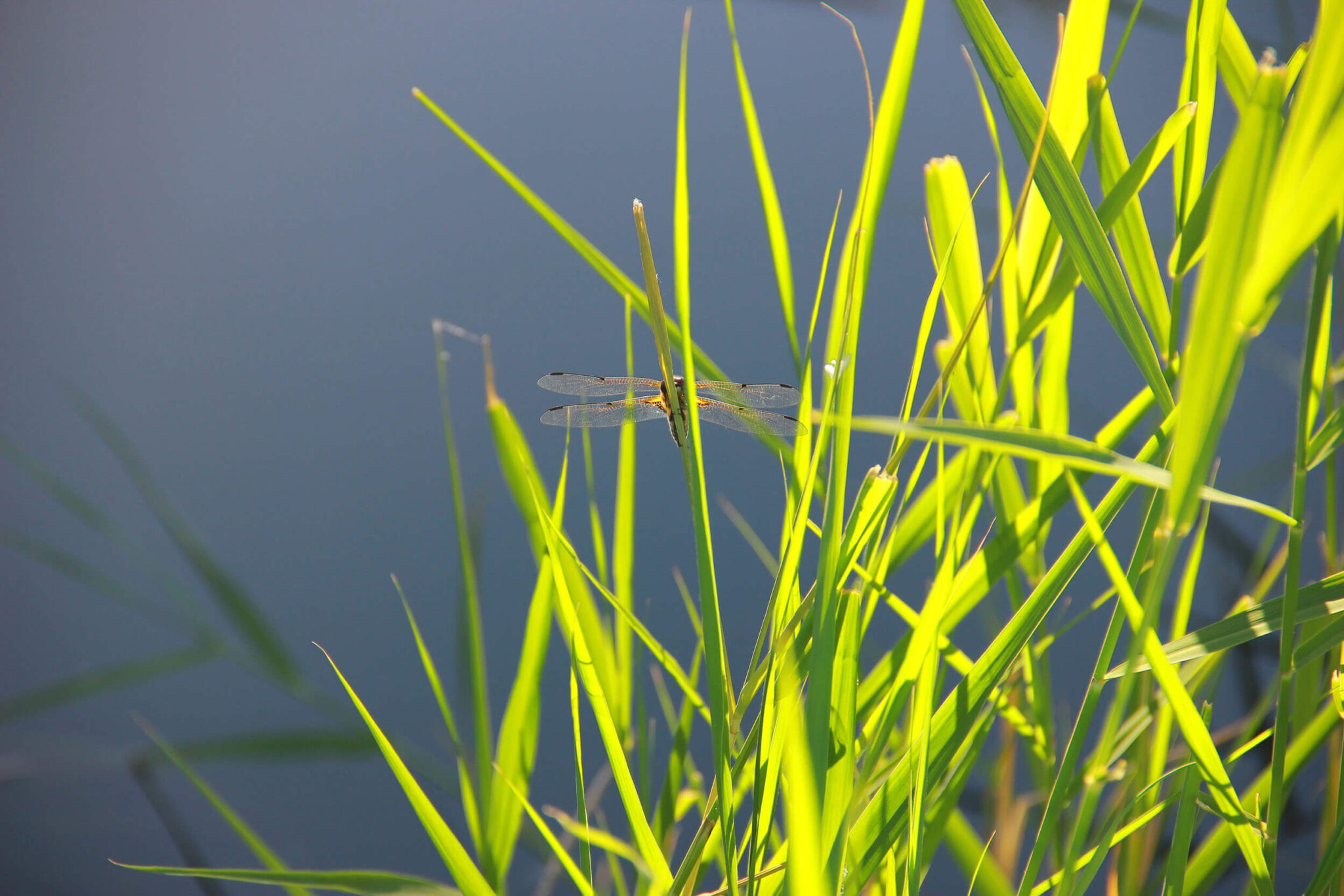
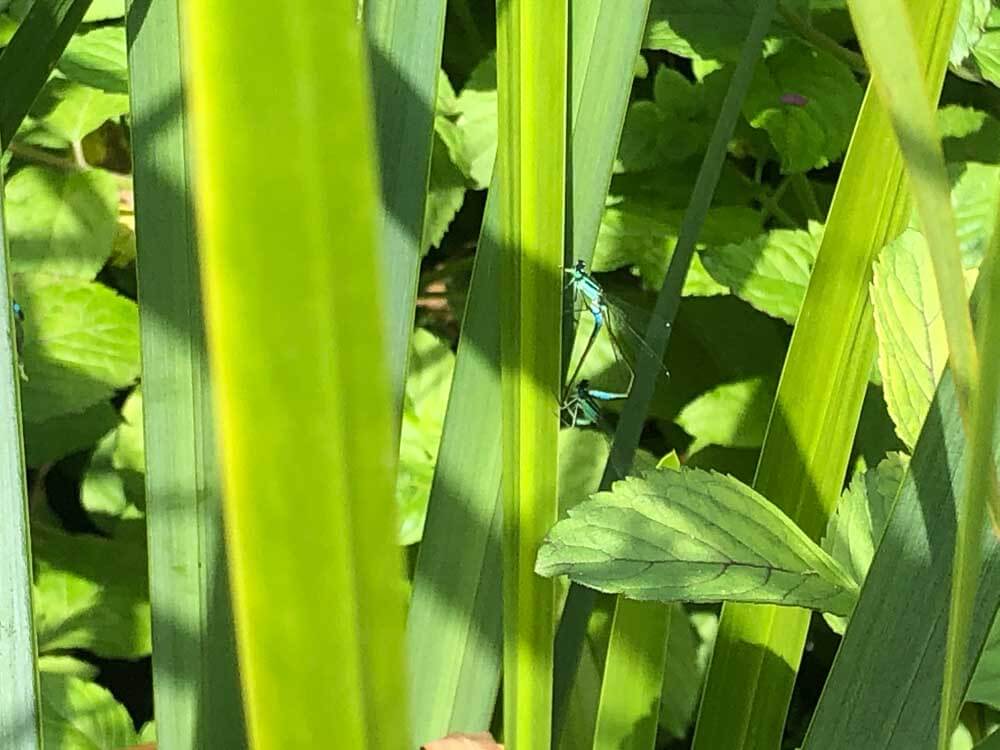
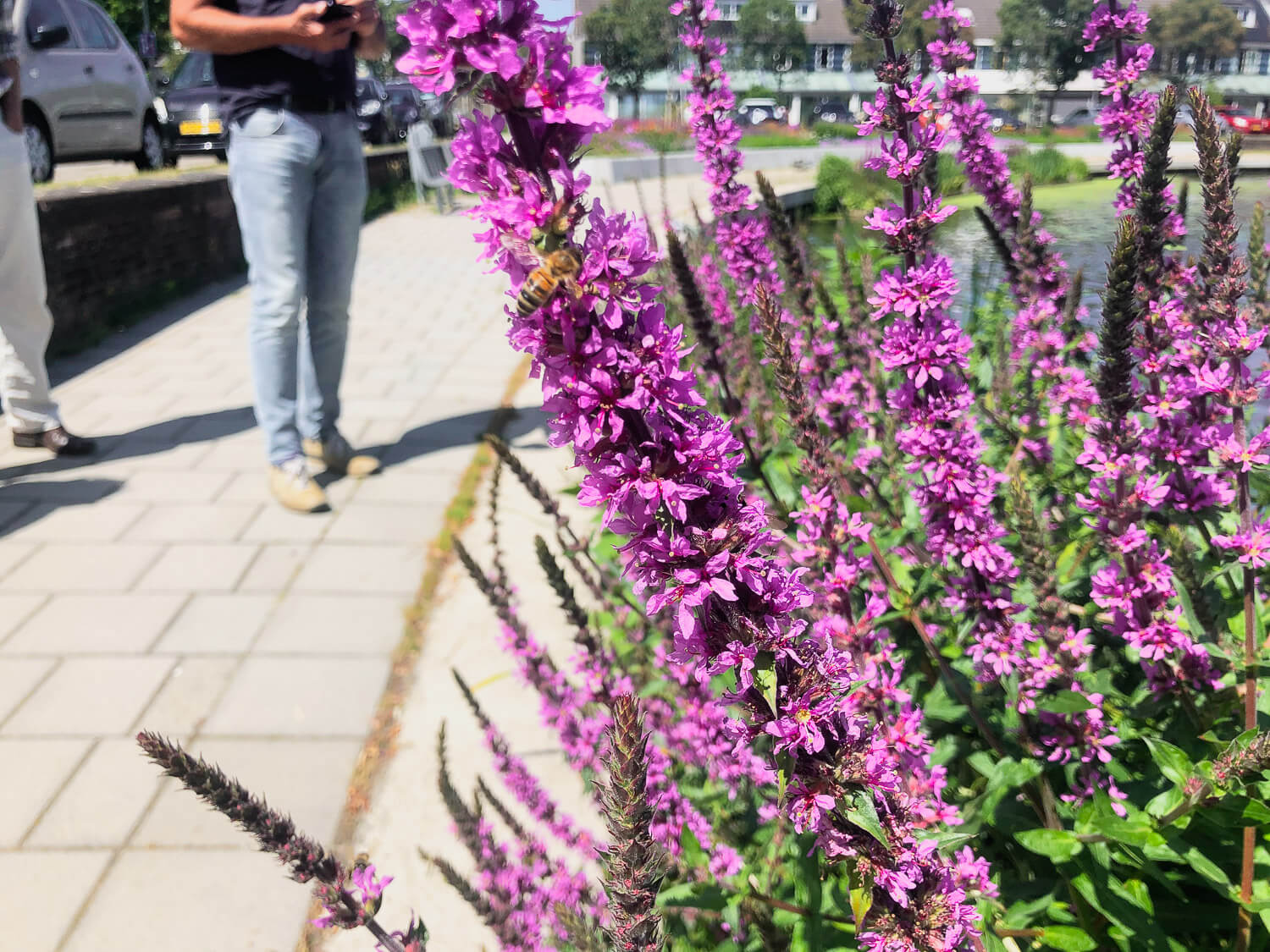
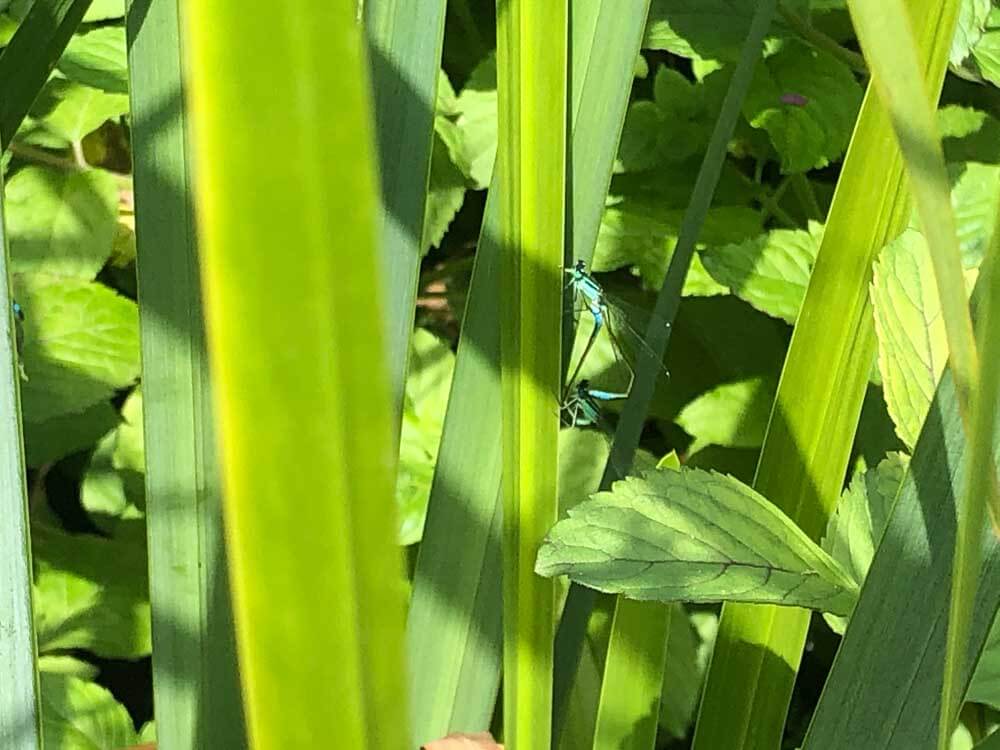
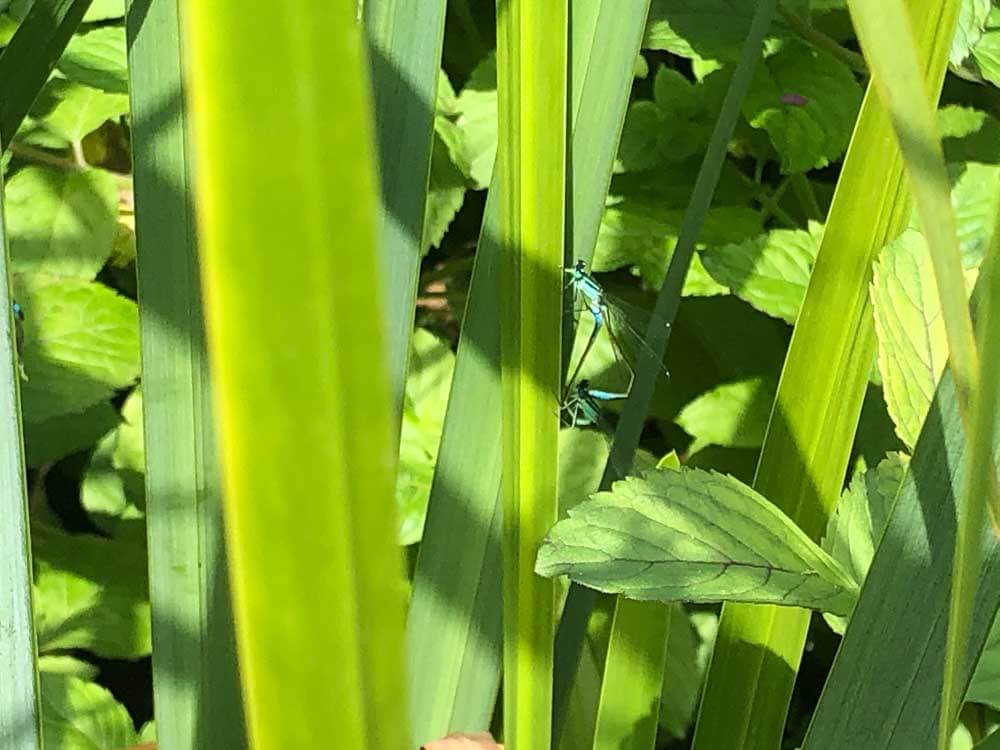
The plant communities within floating wetlands offer diverse habitats for a range of organisms. Floating wetlands provide shelter, resting grounds and nesting space for birds, safe from human disturbances and predators. The flowering plants attract pollinators such as bees, butterflies, moths, dragonflies and flower beetles. FloraFloat® improves the ecological functioning of our waters and also serve as ‘stepping stones’ to connect habitats and food-webs.

FloraFloat® paves the way for nature

Green meets grey

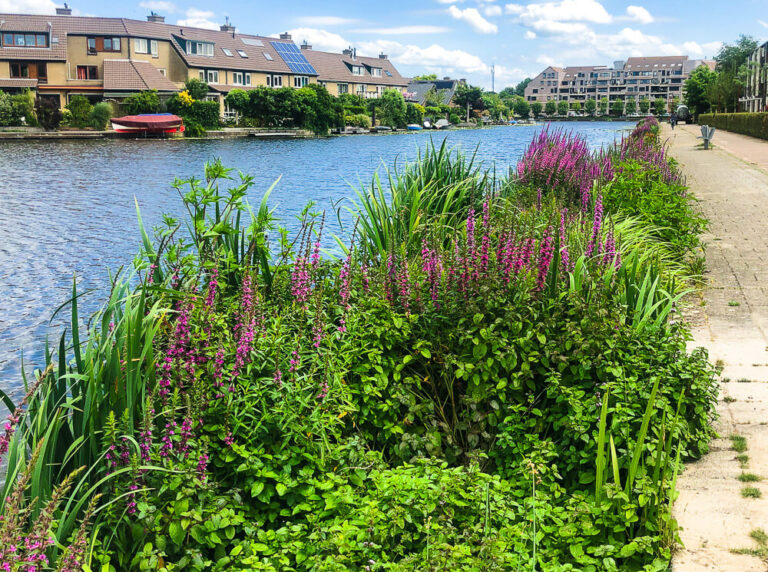
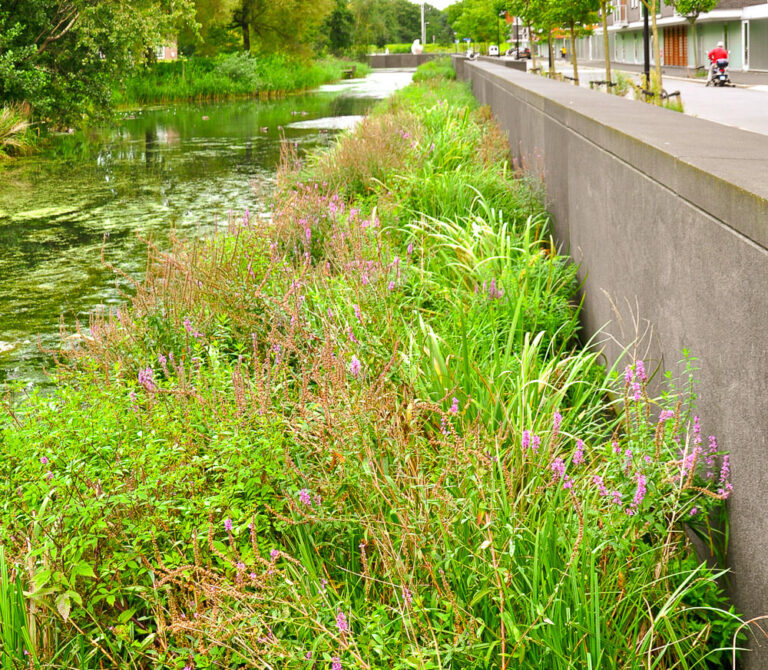
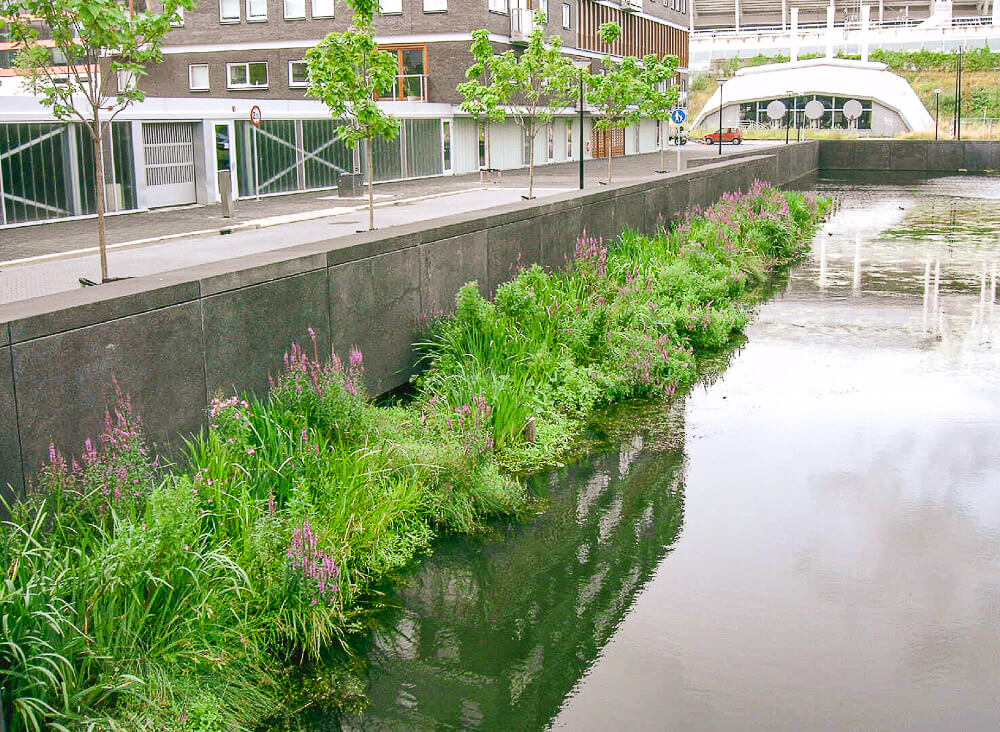
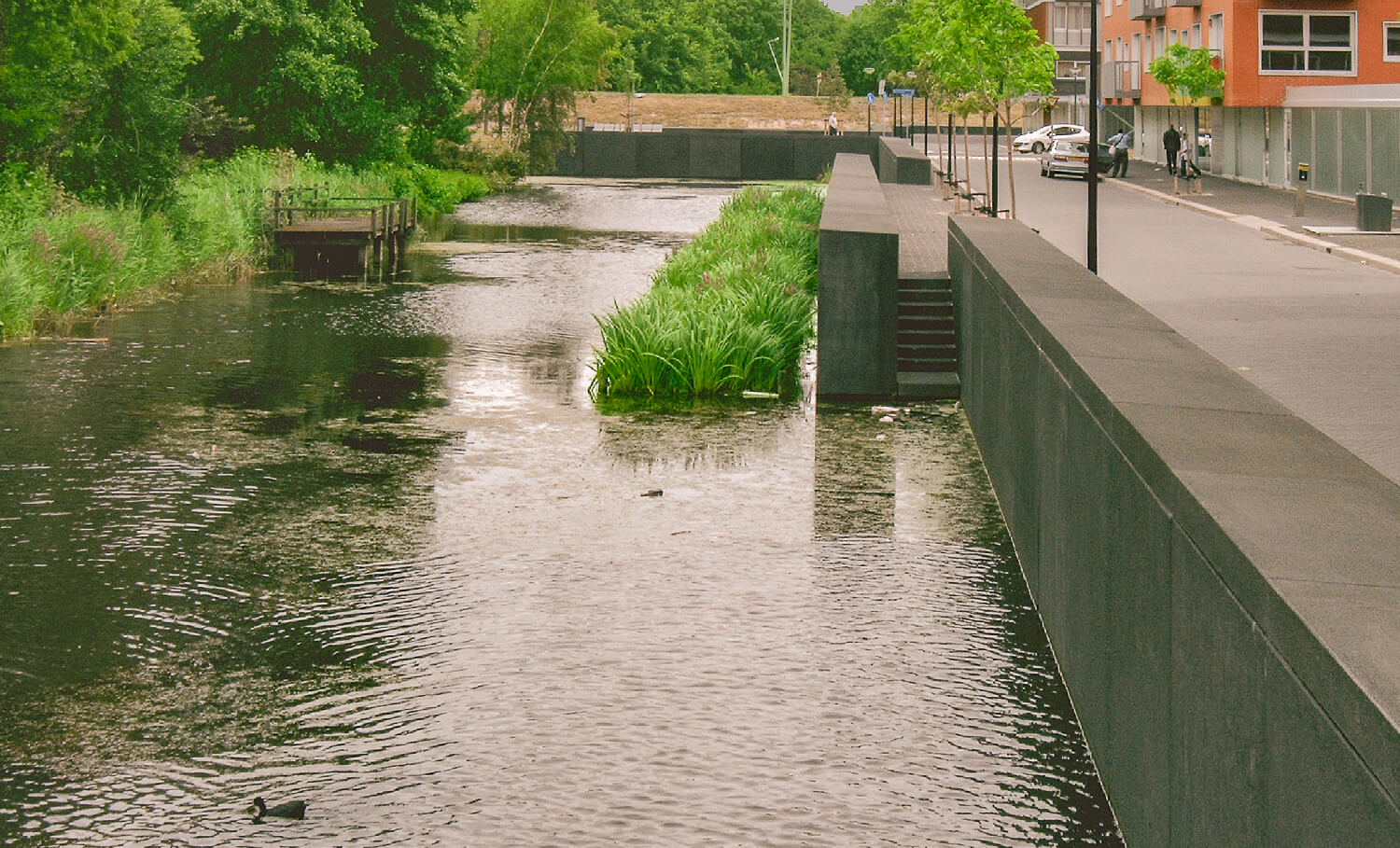
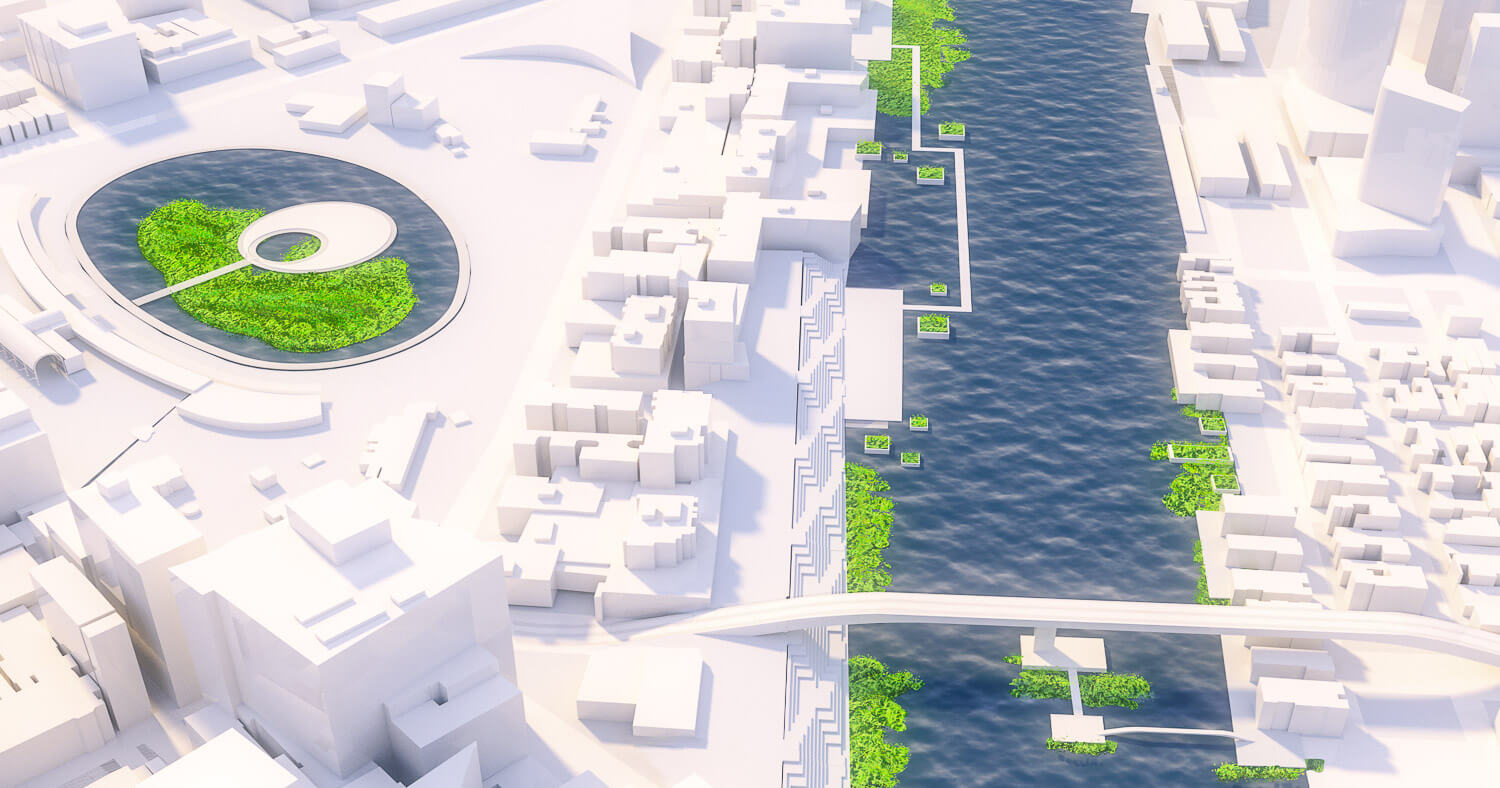
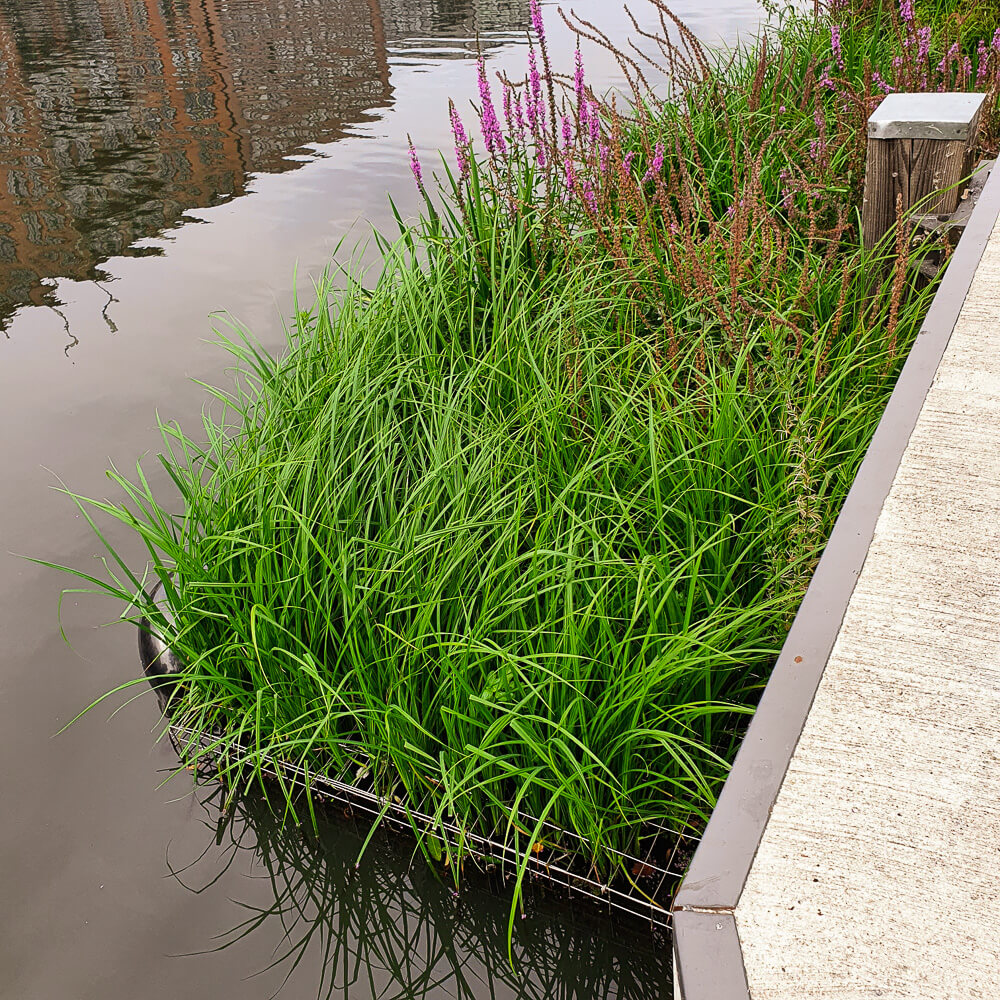
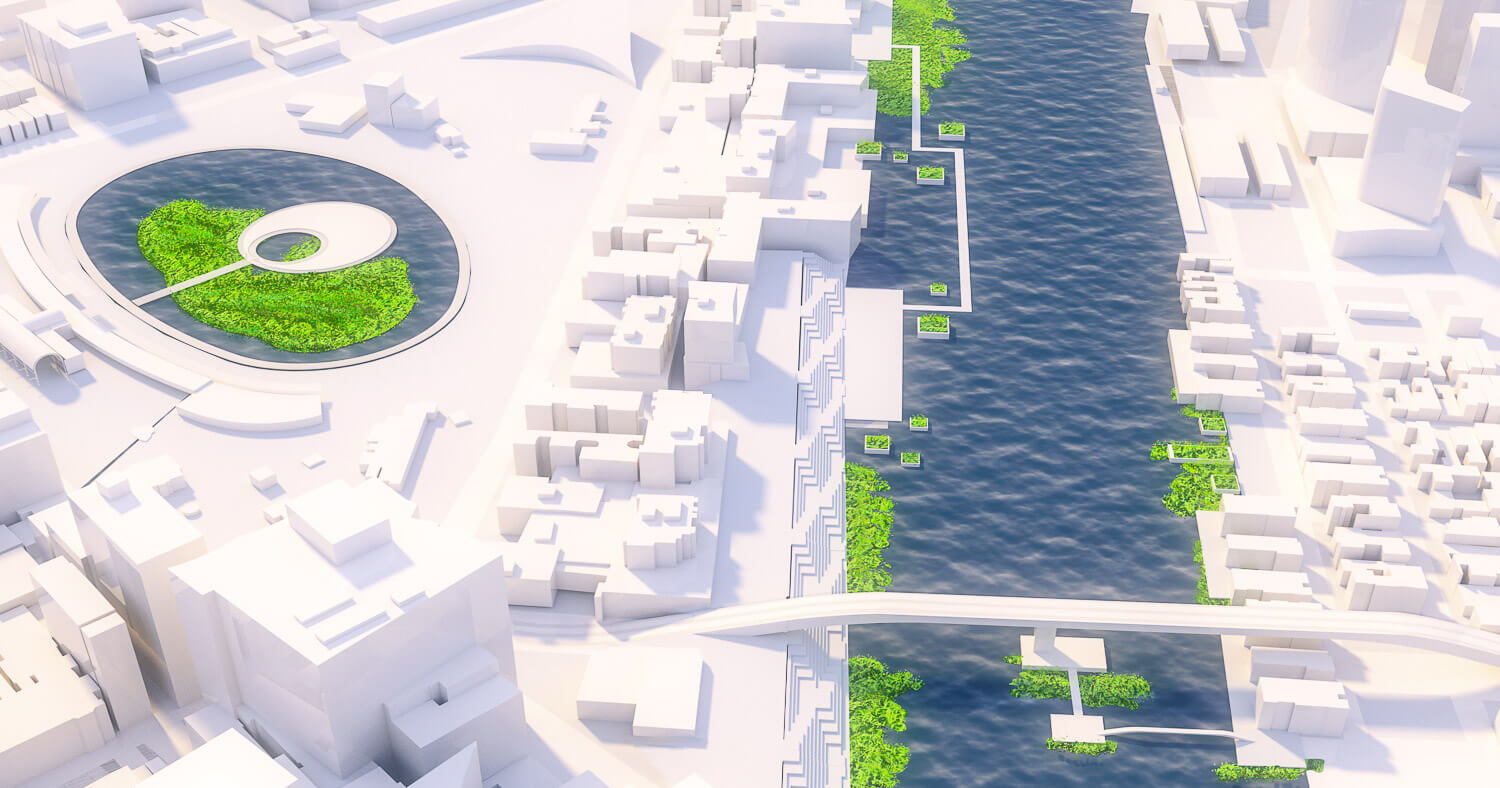
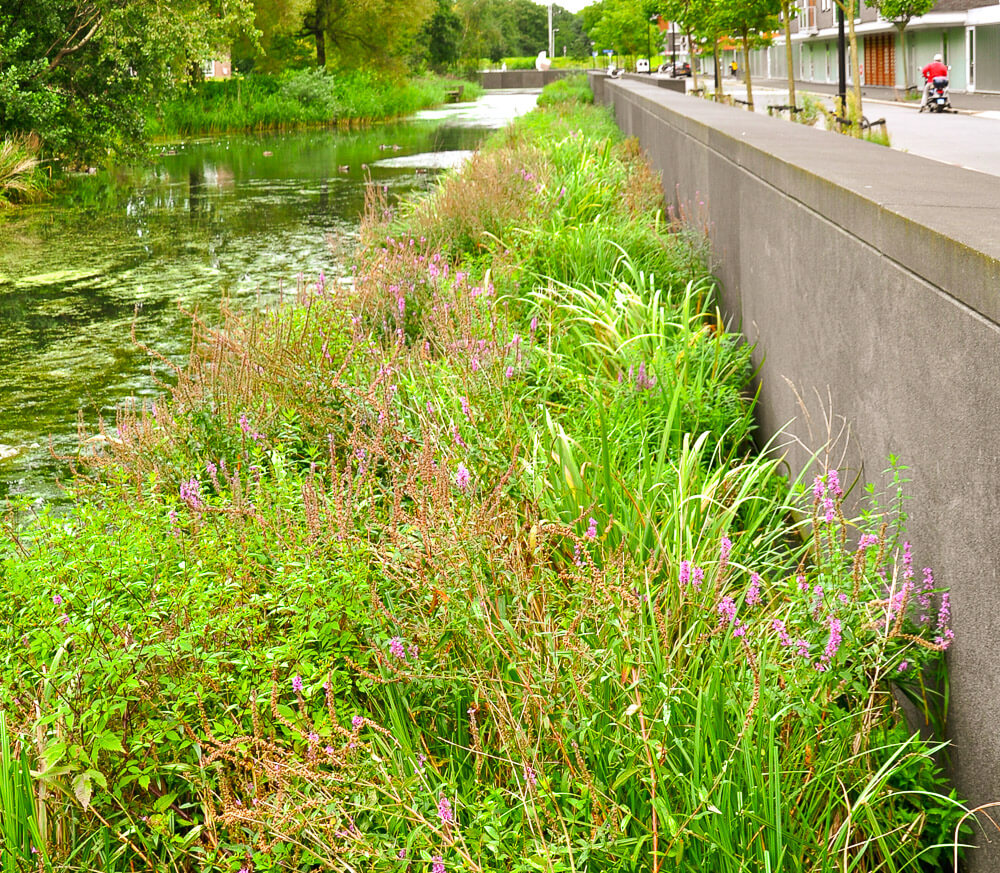
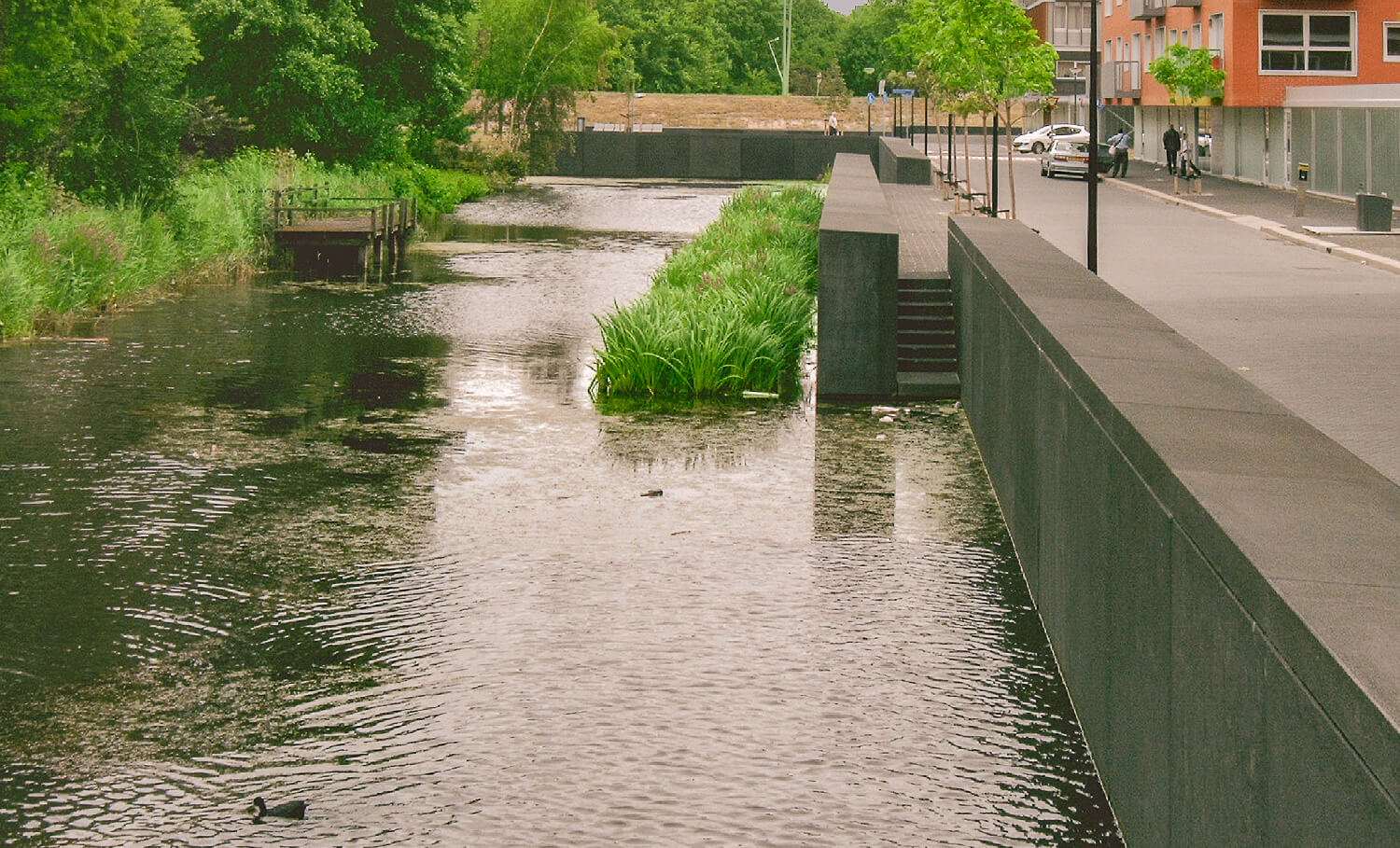
Our floating islands are innovative and ecologically sustainable elements for urban waterscapes, enabling the establishment of natural habitats as well as the creation of aesthetically pleasing areas. The floating biotopes are populated with a variety of aquatic organisms and plants specially adapted to water conditions. They look beautiful and transform hard edged concrete walls into green corridors.

Enhance aesthetics of urban landscapes

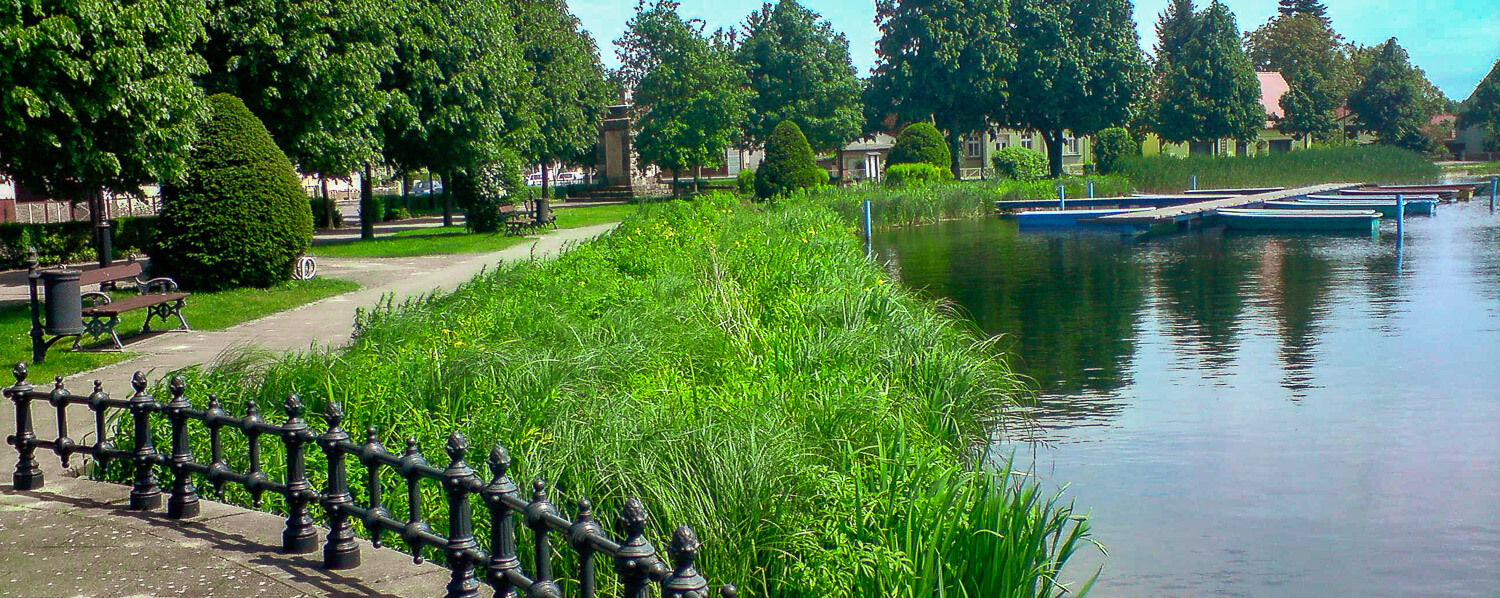
Healthy ponds, lakes and rivers significantly contribute to the wellbeing of urban residents. FloraFloat® cools the urban climate during summer and provides popular destinations for local recreation. It is the connection with nature, cleaner water, the sound of wildlife and the smell of fresh air that FloraFloat® creates in urban waters.

Hard concrete walls can look so beautiful

For a long time, hard-edge engineering solutions with stone or concrete walls have formed a sharp border between water and land. With FloraFloat®, we eliminate this border and create a harmonious connection that beautifully integrates nature into urban environments.

Green corridors – enhance biodiversity and water quality

Floating Wetlands are powerful tools to create green infrastructure within urban landscapes where land is very limited. FloraFloat® creates habitat and can connect ecosystems with zero land use. Depending on your needs, we can advise on which plants will best suit aesthetic objectives or how to improve the ecological and chemical status of your water body.

Enhance water quality with the power of nature

Florafloat® activates the self-purification processes of waters

Floating wetlands are innovative nature-based solutions that promote water quality enhancement through phytoremediation processes.

How FloraFloat® works

In Floating Wetlands, the plant roots grow directly in the water. This is where many complex and highly efficient water purification processes occur. The roots provide an enormous active surface area for pollutant-digesting microbes and bacteria. Plant roots release oxygen and root exudates for microbes and bacteria to feed on and in return they give the plants nutrients such as nitrogen and phosphorus among others.

Impact on water quality

Completely biological: The water treatment processes within Floating Wetlands are completely biological and highly effective. The plants in symbiosis with microorganisms remove nutrients and pollutants from water in a passive and natural way.

Algae mitigation: Floating Wetlands are effective algae mitigation measures because plants and microbes remove nutrients from the water and sediments. These nutrients are no longer available for algae growth. You will see algae disappear in no time.

Turbidity reduction: Floating Wetlands are powerful water filters. Fine suspended particles make the water turbid as they do not settle easily. Those particles are removed by entrapment into the dense roots of the floating wetland.

Temperature and evaporation control: FloraFloat® provides shading of the water surface and acts as a thermal insulator because of the very low thermal conductivity of the Foam Glass Gravel.

Floating Wetlands have been proven to be allrounders when it comes to improving water quality and the overall health of a water body. The floating wetland plants in symbiosis with microbes efficiently remove excess nutrients and pollutants from water and sediments. FloraFloat® provides shading of the water surface and regulates water temperatures and evaporation during summer.

FloraFloat® stops pollutants from entering our waters

Natural and highly efficient water treatment

Floating Wetlands have proven highly efficient for stormwater treatment applications. The installation of floating wetlands into inlet zones, retention ponds or lagoons greatly enhance the stormwater cleaning process in both average flow and storm events.

High treatment performance – efficient removal of even challenging pollutants:

  • Total suspended solids
  • Excess nutrients
  • Gross pollutants
  • Heavy metals
  • Fine colloidal and particulate matter

Treat wastewater the natural way

With a low-cost, low-carbon and simple technology

Floating islands have proven highly efficient for wastewater treatment as well. They are suited for new installations or to supplement existing treatment lagoons or ponds, minimising the need to upgrade.

High treatment performance – with significant, proven effects on:

  • Optimising anaerobic digestion
  • Reducing bio-chemical oxygen demand (BOD)
  • Improving nitrification and denitrification processes
  • Efficient phosphorus removal
  • Reduction in fecal coliforms
  • Significant odor mitigation
  • Effective removal of total suspended solids (TSS)

Your benefits at a glance

Retrofitting existing systems: Floating islands can be easily integrated into existing ponds, lakes, lagoons, rivers, and brackish water areas, as well as into wastewater treatment systems. If a water body does not meet water quality standards, FloraFloat® offers an efficient solution for water treatment – without the need for extensive upgrades.

Maximum impact with no additional land uptake: Especially in urban areas, available space is limited, and land acquisition represents a significant cost factor. Floating islands require no land and can be deployed directly in existing basins, ponds, or inlet areas.

Cost savings: Compared to conventional systems, FloraFloat® requires only low investment costs, as it can be integrated into existing systems without the need to purchase land or create new ponds. The system requires no energy and is characterized by very low operating and maintenance costs.

DSC 5832 Steffen Roess 400x400

Hello, I am
Steffen Roess.
I am happy to help:

Tel. +49 4243 9288-18
s.roess@igg.de